
Reports & Research
Explore proprietary research packed with data, insights, and real-world findings to help carriers make smarter decisions.
.png)
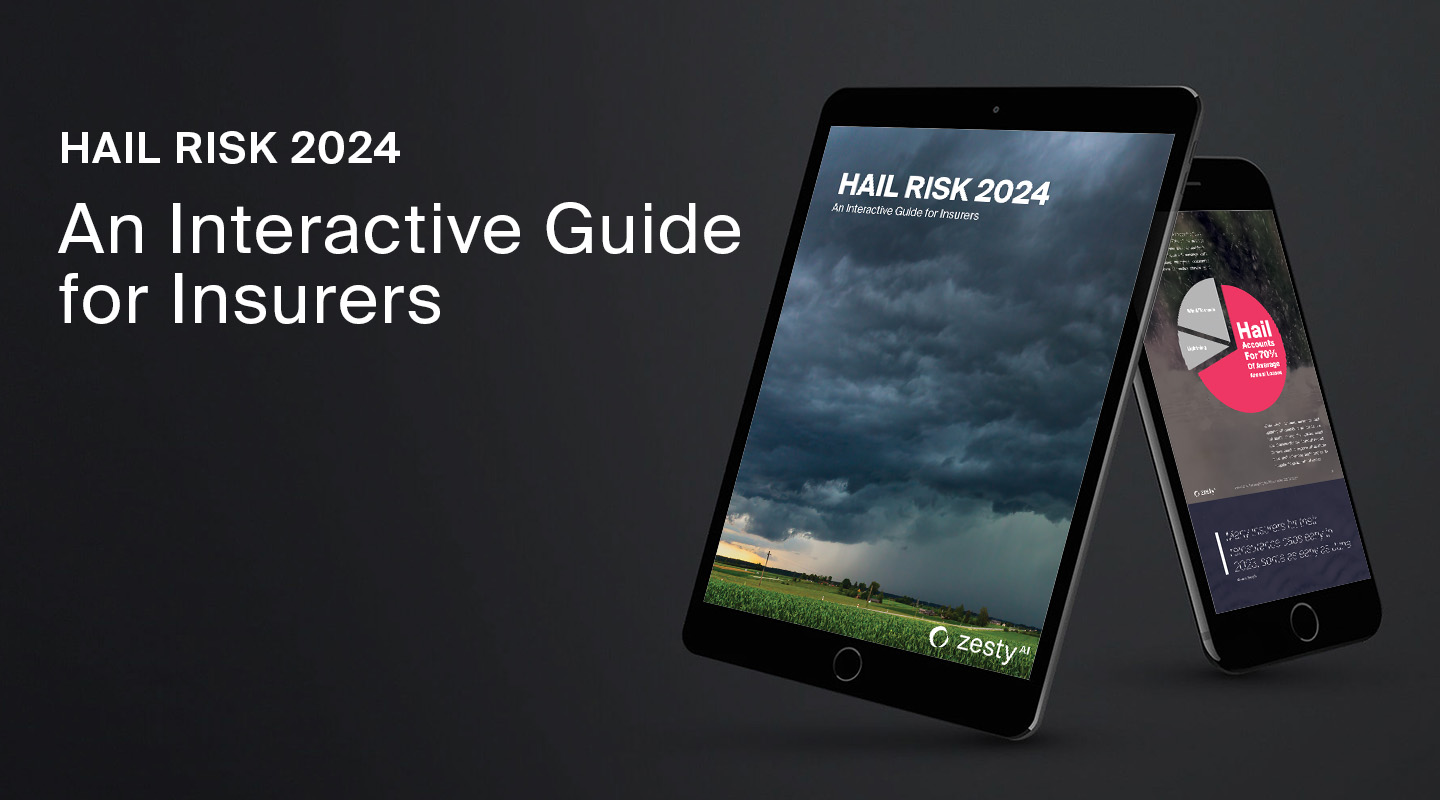
New Research: "Hail Risk 2024: An Interactive Guide for Insurers"
The landscape of hail risk management is undergoing a significant transformation. Our latest publication, "Hail Risk 2024: An Interactive Guide for Insurers," offers a critical examination, illustrated with compelling data, of the factors contributing to the alarming rise in hail-related losses over the last decade. Major changes to how hail is understood have changed how insurers should view the peril. This guide isn't just about understanding hail risk; it's about redefining how it is managed in the insurance industry.
Why This Guide is Indispensable:
- Losses Rising — Understand the key factors driving record-breaking hail losses, and why there's more to the story than just "climate change."
- Reinsurance — Learn why insurance carriers now shoulder more of the burden due to changing risk transfer relations.
- The Right Tools — Explore how AI-based climate risk models are supplementing stochastic and actuarial models for a full picture of climate risk.
- Actionable Steps — See how leading carriers are applying granular, property-level insights and learn the proactive steps they're taking to mitigate risks and losses.
Ready to get up to speed on hail risk in 2024? Access the guide.
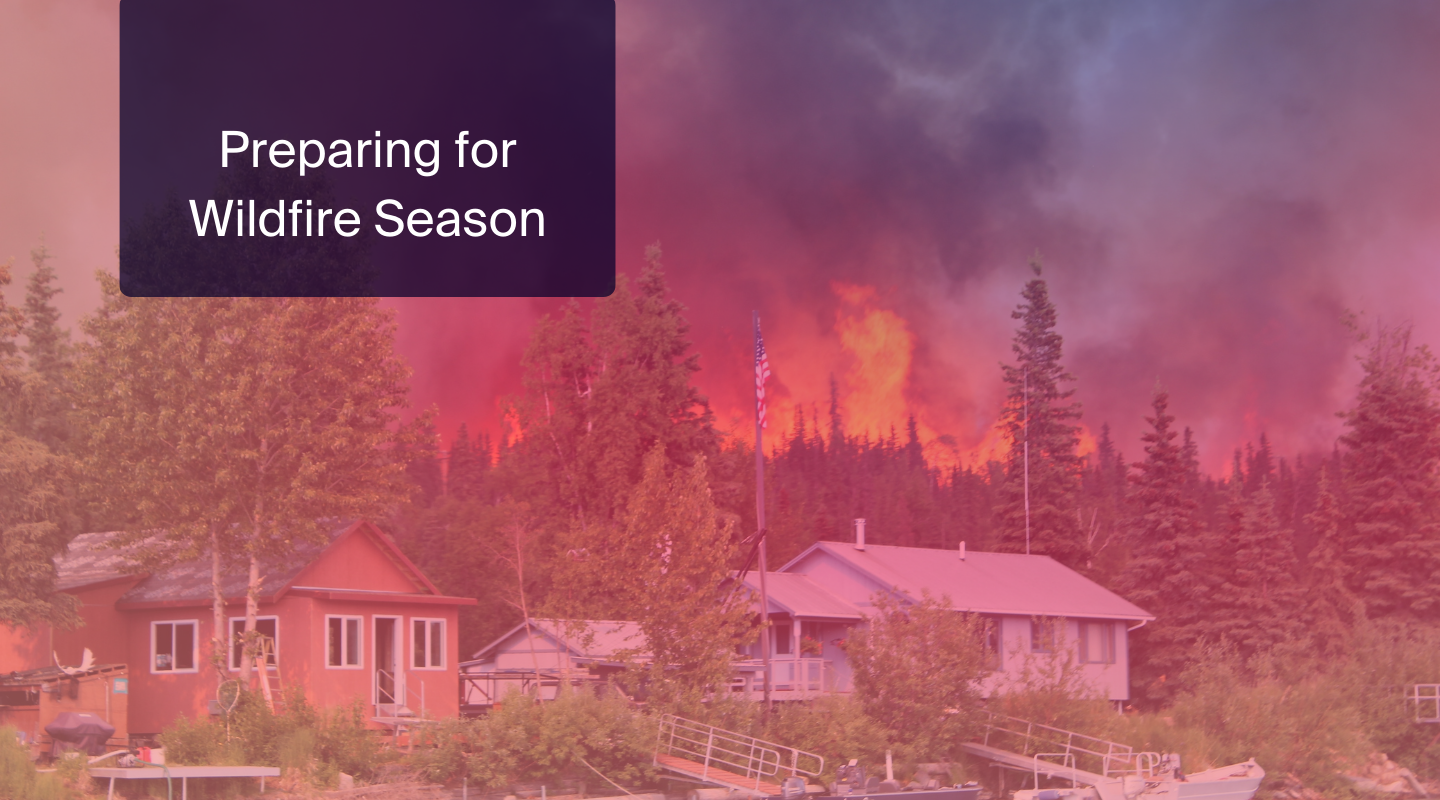
Future-Proofing Insurance: How to Prepare for Intensifying Wildfire Seasons
As ZestyAI unveils its annual Wildfire Season Overview, we can see that insurers are in a pivotal position to navigate the ongoing threat.
The insurance industry has been grappling for years with the skyrocketing losses caused by wildfires. As ZestyAI unveils its annual Wildfire Season Overview, we can see that insurers are in a pivotal position to navigate the ongoing threat.
Wildfire Risk Isn’t Going Anywhere
While we are currently experiencing a brief reprieve from the wildfire devastation of the last few years, the ongoing threat of wildfire remains at an all-time high.
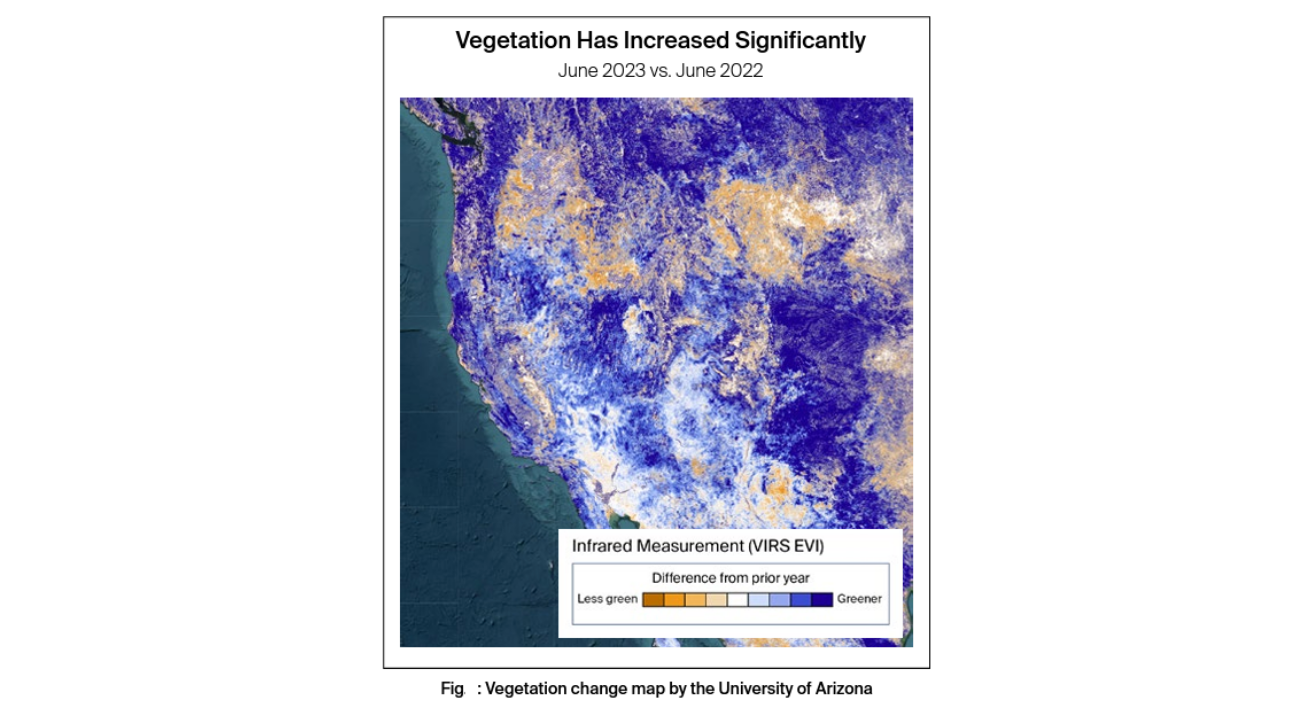
Extreme snow and rainfall across the West in 2023 have led to wetter-than-normal conditions that have acutely reduced the risk of wildfire. However, wetter conditions lead to vegetation growth, so despite 2023 presenting lower wildfire risk, the resulting vegetation accumulation, combined with persistent drought conditions in future years, will likely result in extremely high losses in the coming years. In fact, heavy rainfall has preceded many of the most severe wildfire years ever recorded in California.
Heavy rainfall has preceded many of the most severe wildfire years ever recorded in California.
Preparing for Future Wildfire Seasons
With high wildfire activity on the horizon, what steps can insurance companies take now to prepare for future wildfire seasons?
Here are three essential strategies:
1. Leverage Data for Better Understanding
Research by ZestyAI reveals that wildfires ravage 87% more land during drought years compared to non-drought years. With the western US still experiencing a megadrought that is the worst in over a millennium, it’s critical to understand the data and risks involved.
Not all homes face high risk. For the remainder, detailed property risk insights can highlight areas requiring risk mitigation. Integrate property-specific wildfire risk data into the underwriting and renewal process. This year is also an excellent opportunity to review a complete portfolio using an AI-powered wildfire risk assessment tool like Z-FIRE.
2. Educate and Empower Property Owners Through Transparency
Technology, particularly satellite/aerial imagery and artificial intelligence, can shed light on wildfire risks. Insurers can use this technology to assess the risk reduction measures that policyholders have implemented and understand how a property might withstand a wildfire.
This information is invaluable for educating homeowners and insurance agents. By knowing the specific actions that can be taken to reduce risk, such as clearing brush or using fire-resistant materials, both insurers and homeowners can be better prepared for wildfires.
3. Choose a Technology Partner Wisely
ZestyAI's Z-FIRE has set a benchmark by integrating loss data from over 1,500 wildfires and employing cutting-edge technology to derive insights on each property. By combining aerial and satellite imagery with machine learning and cloud computing, ZestyAI created Z-FIRE, a highly detailed wildfire risk assessment model.
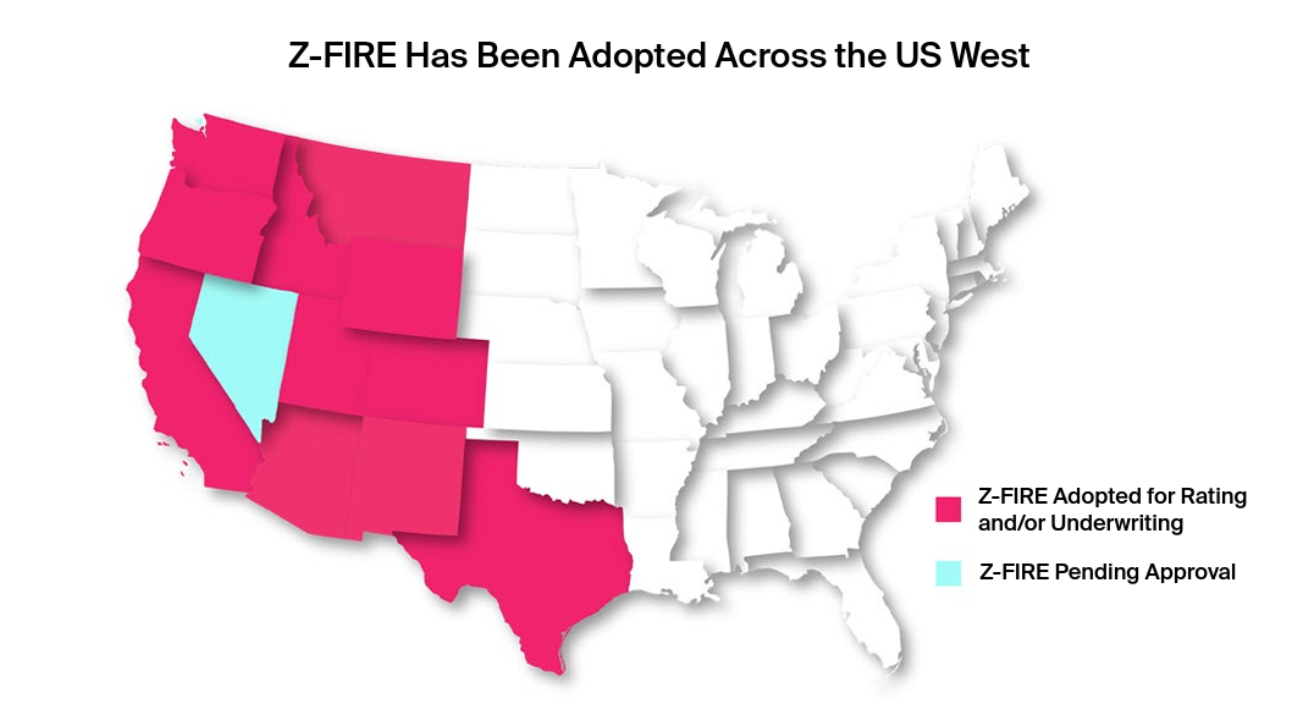
Z-FIRE has been adopted by leading insurance carriers in every single western US state.
In 2022, Z-FIRE demonstrated remarkable performance. Its integration of data through machine learning and computer vision models has established Z-FIRE as a potent tool in wildfire risk assessment for both underwriting and rating.
Make Informed Decisions with Z-FIRE
Using Z-FIRE, insurance carriers, MGAs, and reinsurers can get access to actionable insights developed from detailed property-level risk factors. While wildfire losses may be inevitable, understanding in detail how individual properties contribute to average and tail risks is a large step forward.
The specific time and location of a wildfire is nearly impossible to predict. However, Z-FIRE can give carriers an assessment of the preconditions for that fire, and describe in detail the factors which contribute to it. Knowing, not guessing, which properties fall into a high-risk category is more important now than ever. We look forward to helping our customers through this fire season and many to come.
Z-FIRE Stands Alone in Compliance
Z-FIRE has been developed in partnership with top carriers and has been included in successful filings in California and many other western states. As regulators continue to push for additional transparency and accuracy in how insurers treat wildfire risk, AI-powered solutions provide a clear advantage because of their interpretability and sensitivity to changing conditions.
In 2023, California began requiring insurers to provide discounts based on mitigation measures, and in 2024 Oregon is poised to establish similar requirements on communications to homeowners. All of these changes create a burden on insurers, but those who can adapt to the new regulatory environment by leveraging knowledgeable partners like ZestyAI will have an advantage over competitors. AI is part of the solution, helping address climate risk and maintaining the insurability of properties across the US.
Download ZestyAI's 2023 Wildfire Season Overview
_(1440_%25C3%2597_800_px)_(2).png)
2023 Wildfire Season Overview: The Calm Before the Storm
ZestyAI has released its annual Wildfire Season Overview for 2023. This comprehensive report provides insights to assist insurers in effectively managing wildfire risk.
ZestyAI has released its annual Wildfire Season Overview for 2023. This comprehensive report combines insights from recent wildfire events, prevailing drought conditions, and cutting-edge advancements in artificial intelligence to assist insurers in effectively managing wildfire risk.
Download ZestyAI's 2023 Wildfire Season Overview
Here are some key findings from the report:
A Chance To Prepare While Wildfire Fuels Accumulate
Despite a brief respite from recent wildfire devastation, the current threat remains high. Over the past decade, wildfire risk has notably increased, particularly in California. However, the occurrence of extreme snow and rainfall in the West during 2023 has temporarily reduced the risk due to wetter conditions.
It's important to note that vegetation accumulation and ongoing droughts will likely lead to substantial losses in the coming years. California remains highly susceptible to losses and significant vegetation growth. This temporary relief in 2023 creates an ideal opportunity for insurers to review the risk technologies they have in place and embrace innovative solutions to prevent future losses.
No Role for Drought in Underwriting
Drought is indicative of fire intensity, but not losses. Although drought is an important factor in seasonal wildfire risk, the presence of drought shouldn't drive underwriting. Instead, insurers should look at property-specific solutions that consider wildfire risk over the lifetime of a policy.
Research has shown that this year's heavy rainfall may be a leading indicator for severe wildfire years to come. A comprehensive understanding of buildings, vegetation, and mitigation methods at the property level is necessary to effectively manage future wildfire risk.
A comprehensive understanding of buildings, vegetation, and mitigation methods at the property level is necessary to effectively manage future wildfire risk.
Using Advanced Models to Adapt to Changing Risks & Regulations
AI-powered risk models play a key role in mitigation. Insurers who write business in wildfire states have found increasing value in AI-powered wildfire risk models as they offer actionable risk insights, adapt quickly to changing climate risks, and comply with all regulations.
Over the last year, several western states have begun to implement new regulations for insurers in response to the changing risk environment. Discounts and transparency for mitigation efforts and property-specific decisions may become an industry standard as they have in California and Oregon.
What This Means for Insurers
In evaluating wildfire risk, many analyses tend to focus on the number of fires and the size of the area they burn. However, what really matters to insurance companies and property owners is the loss of structures and what can be done to mitigate those losses.
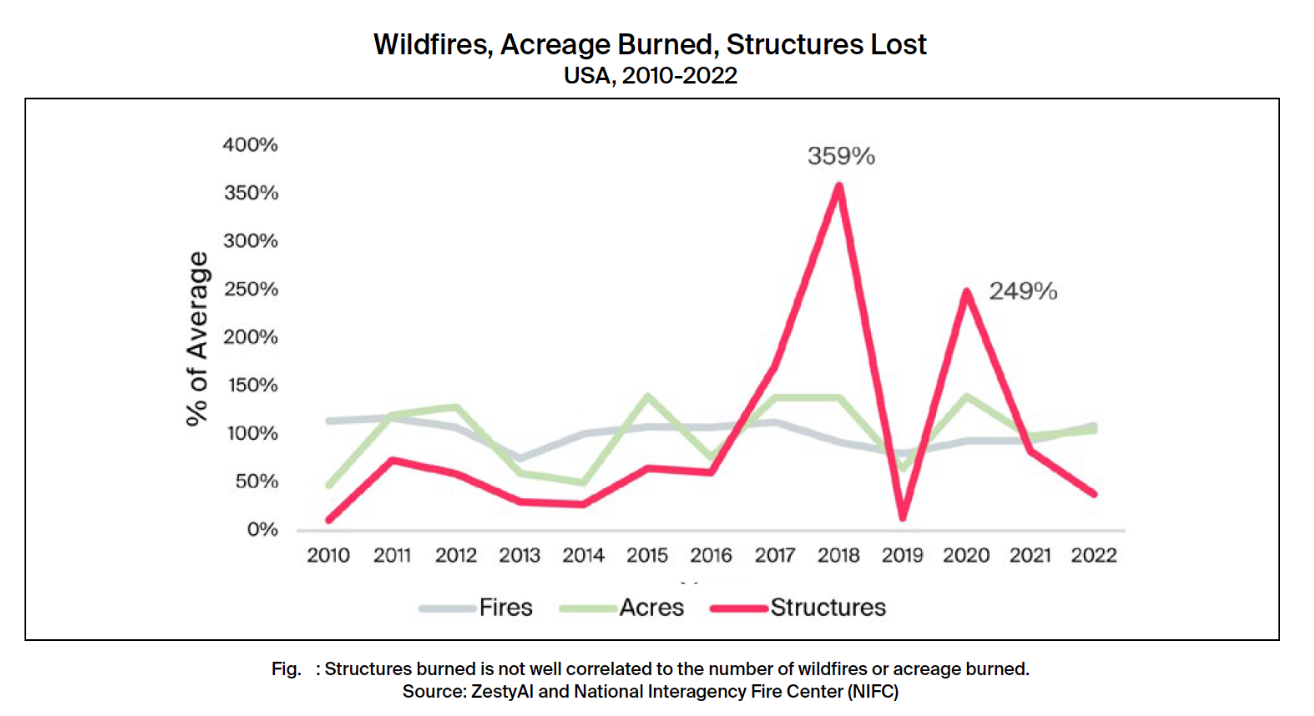
For example, those providing insurance in California might be surprised to learn that despite smaller losses in 2022 compared to 2021, the total national count of acres burned and fires ignited in 2022 actually exceeded that of 2021. This mismatch between yearly wildfire activity and the number of structures lost suggests that wildfire losses are not simply dictated by wildfire activity.
The most significant factor is not how many fires start, or how far they spread, but the potential resilience of every structure and what the communities and homeowners have done to prepare for wildfire exposure. Research from ZestyAI and IBHS shows that for a more precise understanding of potential losses, insurers need to zoom in on individual properties. They should consider a structure’s location, building materials, surrounding vegetation, and efforts taken by the surrounding community to prepare for wildfires.
Modern wildfire risk tools like ZestyAI's Z-FIRE do just that. They analyze individual property features and measure the impact of those features on the probability of loss. They also factor in nearby vegetation, community preparations, local infrastructure, and the lay of the land. This property-centric approach doesn’t try to predict exactly what a wildfire will do. Instead, it gives valuable information on how and why properties might be damaged by wildfires.
These models don't just offer a simple risk score, but also help explain what makes a particular property vulnerable and what steps can be taken to protect it.
Find out more, including how Z-FIRE performed in 2022, in this year’s Wildfire Season Overview.
Download ZestyAI's 2023 Wildfire Season Overview
.png)
As Hail Damage Continues Across the U.S., New Research From ZestyAI and IBHS Works to Make Hail Losses More Predictable
Research considers valuable data on smaller hailstone impacts, which are likely responsible for 99 percent of the impacts on a roof from a hailstorm.
San Francisco, CA, April 19, 2023 – Today ZestyAI, the leading provider of climate and property risk analytics solutions powered by artificial intelligence (AI), and the Insurance Institute for Business & Home Safety (IBHS) released new research examining catastrophic losses from severe convective storms, particularly hail. The study focuses on hail-driven losses in property and casualty insurance.
Hail losses are a persistent problem for property insurers’ risk management efforts. Historically, carriers have focused on intense events to predict hail risk, with supporting data confined to storms with hailstones larger than one or two inches. The study Small Hail, Big Problems, New Approach shows high concentrations of small hail are more important than previously thought, pointing to an opportunity to broaden data sets to account for the cumulative effect all hailstorms have on a roof’s susceptibility to damage over time, leading to a claim.
This new research shows all hail needs to be accounted for when modeling and ultimately understanding losses. Using data from all hail events, not just those with hail that meet the severe criteria of one inch or greater, allows carriers to consider valuable data on smaller hailstone impacts. Additionally, insurers can integrate climate and materials science to better understand hail frequency and severity. Research suggests using this new approach could perform as much as 58 times more accurately than looking at events with large and very large maximum hail sizes alone, allowing carriers to more effectively assess hail risk, achieve more profitable underwriting and open up ratings to previously avoided areas.
“As we’ve learned more about hailstorms, we've discovered storms that produce large concentrations of small hail are more common than we thought, and despite causing less individual damage than a single large hailstone, small hail, especially in high concentrations, is likely a meaningful contributor to the loss we see each year from hail,” said Dr. Ian Giammanco, managing director of standards and data analytics at IBHS. “Experiments also show large concentrations of smaller hailstones cause degradation to the asphalt shingles, specifically dislodging large amounts of granules. Once enough granules are lost, the underlying asphalt material can become more susceptible to aging and weathering. Repeated exposure to these types of hailstorms can shorten the life of an asphalt shingle roof and increase the damage caused by large hailstones in the next storm.”
“Hail losses are a persistent problem for property insurers’ risk management efforts,” said Attila Toth, founder and CEO of ZestyAI. “Three of the nation’s five largest publicly-traded P&C carriers mentioned hail as a key concern in 2022 financial reports. Greater losses have brought attention to hail risk, and the insurance industry needs better approaches to solve this problem.”
“Three of the nation’s five largest publicly-traded P&C carriers mentioned hail as a key concern in 2022 financial reports. Greater losses have brought attention to hail risk, and the insurance industry needs better approaches to solve this problem.”
Hail risk can be especially costly to insurers because, unlike other catastrophic perils like hurricanes and wildfires, it can be difficult to identify the storm that caused a hail claim. As a result, insurance carriers could be forced to raise overall premiums or introduce high deductibles to compensate for the added costs.
As climate and materials science have developed, more data has become available providing improved hail risk evaluation options that can lead to better decisions at earlier stages of the policy life cycle. Other benefits could include more profitable underwriting, a greater ability to rate previously-avoided areas and significantly reduced loss ratios.
For the complete ZestyAI and IBHS research paper visit this page.
About ZestyAI
ZestyAI offers insurers and real estate companies access to precise intelligence about every property in North America. The company uses AI, including computer vision, to build a digital twin for every building across the country, encompassing 200 billion property insights accounting for all details that could impact a property’s value and associated risks, including the potential impact of natural disasters. Visit zesty.ai for more information.
About the Insurance Institute for Business & Home Safety (IBHS)
The IBHS mission is to conduct objective, scientific research to identify and promote effective actions that strengthen homes, businesses and communities against natural disasters and other causes of loss. Learn more about IBHS at ibhs.org.
###
For more information, contact:
Linsey Flannery
Director of Communications, ZestyAI
416-939-9773
Mary Anne Byrd
Communications Director, IBHS
803-669-4216

90-Second Fact Sheet: The Reinsurance Market in 2023
Reinsurance rates are spiking to an all-time high. Fitch estimated a 20-60% rate increase for cedants in the overall property reinsurance market at the January 1st renewals.1 Terms and conditions are also tightening - many reinsurers are limiting their cedants to much higher attachment points2, or exiting CAT-exposed lines altogether
The main drivers for uptick in reinsurance rates
Our research has found three drivers underpinning the trend:
1. Devastating CAT losses, particularly from secondary perils
59% of all CAT losses come from secondary perils3, and those losses have caused major shifts in the reinsurance landscape. Howden estimates that global property CAT reinsurance rates were up 37% at the January renewals4.
2. A new urgency to improve return on capital
“When the cost of capital is equal to the rate of return, something has to change.” - Aditya Dutt, CEO of Aeolus Capital Management5. The reinsurance industry has underperformed since 2017, with an average return on equity of just under 5%6. Poor underwriting performance was a key driver, with an industry average 101% combined ratio over the same period7. Reinsurers are poised to use the tightening market as a chance to improve performance, with Fitch forecasting a 4pp underwriting margin expansion for reinsurers in 20238. Unfortunately for primary insurers, Goldman Sachs predicts that the same tightening market will create significant volatility for cedants9.
3. Value erosion in reinsurer investment portfolios
Macroeconomic factors are driving significant unrealized investment losses for reinsurers, particularly on fixed income portfolios due to rising interest rates. Aon estimates that these investment portfolio losses drove a 17% decline in global reinsurance capital across the first 9 months of 2022, with some players reporting equity value losses as high as 40-50% over that period10. Reinsurers will look to shore up these losses with better underwriting performance, which likely means tougher rates for primary carriers.
How property insurers can improve their odds with AI-powered predictive climate and property risk platforms
These factors mean that primary insurers can expect challenging reinsurance negotiations at the June 1st renewal deadline, particularly on property lines. However, new AI-powered predictive climate and property risk platforms can improve the odds for property insurers in three areas:
1. Rapid improvements in risk mitigation
Implementation-free portfolio reviews can quickly drive major loss ratio improvements.
2. Turn the tables of CAT risk screening in your favor
Improving data quality can lead to more favorable stochastic model portfolio screens, particularly with insight about the roof.
3. Enter the room as a leader in cutting-edge risk practices
Showing the same commitment to new technologies as industry leaders can help cedants build a better case.
Conclusion
With the right mitigation action and a cutting edge view of portfolio risk, cedants can navigate the upcoming 6/1 renewal successfully.
Learn more about how an AI-powered predictive climate and property risk platform can help you.
------------------------------------------------------------------------
Sources
1 & 8 - Fitch, Reinsurers’ Underwriting Margins to Expand by 4pp in 2023
2 & 3 - Gallagher Re, Gallagher Re Natural Catastrophe Report 2022
4 - Howden, Howden’s renewal report at 1.1.2023: The Great Realignment
5 - AM Best, Reinsurance: Roundtable Discussion on Renewals and What 2023 May Hold
6, 7 & 10 - AON, Reinsurance Market Dynamics
9 - Reinsurance News, Hard market to increase volatility for primary insurers: Goldman Sachs
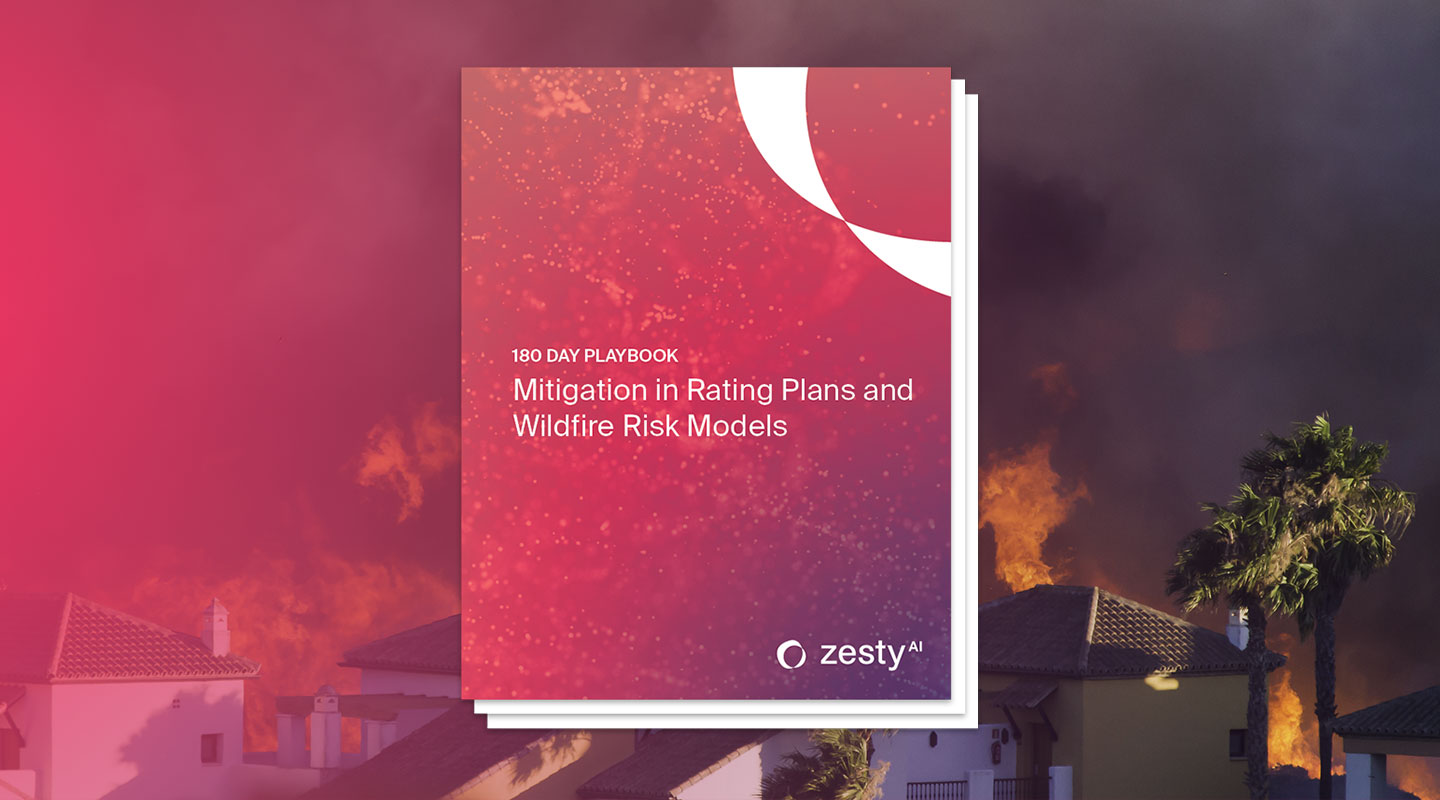
ZestyAI Announces 180-day Playbook to Navigate First-of-its-kind Wildfire Regulatory Requirements in California
Playbook Leverages Historic Regulatory Success of ZestyAI’s Wildfire Model (Z-FIRE™) to Lead Insurance Carriers Towards Regulatory Compliance in the Largest Insurance Market in the U.S.
San Francisco, CA, September 20, 2022 – ZestyAI, the leading provider of property risk analytics solutions powered by Artificial Intelligence (AI), has developed a 180-day playbook to support insurance carriers as they work to meet the Mitigation in Rating Plans and Wildfire Risk Models regulation expected to be adopted by the California Department of Insurance (CDI) before year-end. The playbook reflects the company’s unique ability as the only comprehensive solution in the marketplace to help insurers meet or exceed every single requirement in the new regulation — meeting 100 percent compliance inside the tight 180-day window.
On September 7, 2022, Insurance Commissioner Ricardo Lara announced he had submitted the department’s insurance rating regulation recognizing wildfire and safety mitigation efforts made by homeowners and businesses, to the California Office of Administrative Law for final approval. This first-of-its-kind regulation will require all insurers in California to refile their existing rating plans on an aggressive 180-day timeline.
“Eight of the ten most destructive wildfires in California’s history have occurred in the last five years,” said Attila Toth, Founder and CEO of ZestyAI. “While the new wildfire regulations will have a significant impact on California’s insurance industry, adapting to this peril is key to having a sustainable insurance ecosystem in California. As the leader in property-specific wildfire risk assessment, we have offered input at each step of this process. We are here to support admitted carriers with a turnkey solution complying with every single requirement as they navigate this process and work to meet the new regulations.”
The new wildfire safety regulation requires insurance companies to consider the structure of a home, its surroundings, and community-level mitigation. Insurers with concerns about the regulation can reach out to ZestyAI to get a complete explanation of how the regulations will impact them. This includes access to the 180-day playbook, which breaks down the regulatory compliance process into an orderly roadmap that addresses all three major challenges that insurers will face:
- Operational — The process of rapidly integrating new data sources, educating the public on how wildfire mitigation affects insurance policies, and a framework for a compliant appeals process.
- Rating — How to weight property-specific characteristics, including those with and without historical loss data, in rating plans as well as guidance on mitigation credits.
- Filing — Carriers who use a rating plan reliant on traditional wildfire models without property-specific information will need to overhaul their rating framework. Relying on multiple approved rate filings, ZestyAI has developed a comprehensive filing toolkit that can support carriers at every facet of the filing process.
ZestyAI’s Z-FIRE™ model has quickly become the leader in property-specific wildfire risk assessment. Using AI algorithms trained on more than 1,500 wildfire events across 20 years of historical loss data, Z-FIRE™ provides a level of detail that is of essential value to both the insurer and the homeowner.
The model was the first AI model ever approved as part of a rate filing by the CDI and the second wildfire risk model. It has been widely adopted across the Western U.S., where its use has been approved for both underwriting and rating. During 2021's APCIA Western Region Conference, CDI representatives expressed that the agency’s familiarity with Z-FIRE™ means in future filings the focus will be limited to the carrier's specific use of the model, not the details of the model itself, potentially greatly expediting the reviews of carriers using the Z-FIRE™ model.
ZestyAI’s Z-FIRE™ considers features such as topography and historical climate data in combination with factors extracted from high-resolution imagery of the property itself and its surroundings, including homeowner and community mitigation efforts, to provide both neighborhood and property-specific risk scores.
A significant advantage to insurance carriers is that they can use these data elements to communicate with homeowners on what specific actions can be taken to lower their property’s risk, such as upgrading building materials and cutting down surrounding dry brush or overhanging vegetation. The impact of mitigation efforts can be significant. A joint study by the Insurance Institute for Business & Home Safety (IBHS) and ZestyAI, which studied over 71,100 wildfire-exposed properties, found that property owners who clear vegetation from the perimeter of their home or building can nearly double their structure's likelihood of surviving a wildfire.
About ZestyAI
ZestyAI offers insurers and real estate companies access to precise intelligence about every property in the United States. The company uses AI, including computer vision, to build a digital twin for every building across the country, encompassing 200 billion property insights accounting for all details that could impact a property’s value and associated risks, including the potential impact of natural disasters. Visit zesty.ai for more information.
Why Jencap Chose ZestyAI for Wildfire Risk Modeling
In today’s property insurance market, understanding wildfire risk at the individual structure level is more critical than ever. For wholesale brokers like Jencap, the ability to deliver actionable, data-driven insights to retail agents and carriers is essential, especially as wildfire conditions evolve rapidly across the country.
That’s why JenCap turned to ZestyAI.
In the video above, Ben Beazley, EVP and Head of Property at JenCap, shares two key reasons why ZestyAI’s Z-FIRE™ model stood out:
- Structure-level precision: Z-FIRE analyzes wildfire risk at the individual property level—factoring in building materials, defensible space, vegetation, topography, and historical fire patterns to predict which homes are most vulnerable and which are more likely to withstand a fire.
- Continuously refreshed data: While the core model remains stable and DOI-approved, Z-FIRE is updated with the latest fire perimeters, confirmed loss locations, and vegetation data. This ensures it reflects the most current wildfire seasons and emerging risk patterns.
- Z-FIRE is already approved for rating and underwriting in every major wildfire-prone state. For JenCap and many others, it’s become a vital tool for evaluating wildfire exposure and supporting smarter decisions in high-risk areas.
.webp)
Z-FIRE Was Built for This: Addressing the Threat of Urban Conflagration
From dense neighborhoods to high-intensity burn zones, Z-FIRE has long accounted for the drivers of urban wildfire risk.
Not every wildfire spreads through forests. Some move house to house, block to block, driven by wind, heat, and proximity. As these events become more common, insurers are asking sharper questions about how to assess risk in densely built environments.
Z-FIRE was designed to account for the real-world conditions that enable this type of fire behavior, capturing the structural, spatial, and environmental factors like building density, defensible space, mitigation strategy, climatology, and slope that contribute to urban conflagration.
What Is Urban Conflagration?
Urban conflagration refers to a fire that spreads rapidly through a densely built environment, jumping from structure to structure rather than moving solely through vegetation. Unlike traditional wildfires that primarily burn forests or grasslands, these events are driven by building materials and the adoption of fire mitigation practices, the spacing between structures, and proximity to areas that are known to be challenging for firefighters.
Wind and terrain—particularly steep slopes—often accelerate the spread, pushing fire fronts into residential areas and compounding the risk of widespread destruction. For insurers, urban conflagrations represent a uniquely challenging peril, where fire behavior is shaped as much by the built environment as by natural fuels. Without a model built to capture these dynamics, they’re nearly impossible to assess accurately.
We’ve seen what happens when wind-driven embers reach tightly packed communities. In fires like Marshall, Lahaina, and the recent Palisades and Eaton Fires, wildfires didn’t stop at the wildland-urban interface—they became full-scale urban conflagrations.
These events are stark reminders that wildfire risk doesn’t end at the edge of the forest and that densely populated areas can produce concentrated, catastrophic losses.
For insurers, these events raise a critical question: Where are the next high-concentration loss scenarios hiding in the portfolio?
When urban conflagration strikes, damage rates spike, and PML exposure can increase exponentially. Identifying the neighborhoods where construction patterns, terrain, and fuel conditions create the potential for that kind of fire behavior is no longer optional; it’s essential.
At ZestyAI, we’ve been asking, and answering, these questions for years. The Z-FIRE model was designed to do exactly that.
Built to Reflect Real-World Urban Risk
From its inception, Z-FIRE has accounted for the drivers of urban conflagration. Its two-level architecture combines neighborhood-level dynamics with property-specific characteristics, offering a detailed and scalable view of wildfire risk—even in densely built environments.
Level 1 (L1): Neighborhood Risk Score
L1 predicts the likelihood that a property will fall within a wildfire perimeter. It does this by analyzing climatology, historical wildfire behavior, terrain, fuel type, and wildfire suppression ratings to understand where fires are likely to start, spread, and grow.
Two variables are particularly important for identifying urban conflagration risk:
- Fuel Type, which accounts for both vegetative fuels and the built environment. In densely developed areas, clusters of structures can serve as fuel, particularly when combined with slope, dry conditions, or limited defensible space.
- Wildfire Suppression Rating (WSR), which indicates areas where fire suppression is likely to fail due to access, water availability, or firefighting capacity. Rather than relying on WSR alone, Z-FIRE factors in proximity to high and very high WSR zones, enabling it to capture risk spillover into nearby neighborhoods.
What sets Z-FIRE apart is how these variables interact. The model doesn’t assess them in isolation—it evaluates how multiple risk factors compound one another. This layered, interaction-driven approach allows Z-FIRE to surface hidden vulnerabilities that simpler, one-dimensional models often miss and accurately identify regions with high conflagration risk.
- L1 evaluates wildfire risk based on local terrain, fuel types, and building density. Critically, Z-FIRE incorporates two critical variables that are key indicators of conflagration risk. Both “fuel type” and proximity to areas with a High or Very High wildfire suppression rating.
- Fuel Type accounts for both vegetation and for developed land characteristics. While vegetative fuel and its management are key for wildfire, building density can become a large contributor to conflagration risk if combined with the other high-risk factors. It is important to remember that Z-FIRE allows for unlimited variable interaction; a high-density neighborhood can be at high risk of other factors, contributing to conflagration risk.
- Wildfire Suppression Rating (WSR) reflects the risk that a high-intensity fire may become impossible to manage by firefighters. Because those areas tend to be located in the WUI, Z-FIRE does not only rely on the WSR score, but also uses the distance proximity to high or very high WSR.
Level 2 (L2): Property-Specific Risk Score
At the structure level, L2 evaluates both nearby vegetation and building fuel density, a key driver of structure-to-structure ignition. This metric, validated by the Insurance Institute for Business & Home Safety (IBHS), helps Z-FIRE model how a single ignition can escalate within tightly packed neighborhoods, even in the absence of natural fuels.
Z-FIRE was trained on real-world events with clear urban conflagration patterns. In the 2017 Tubbs Fire, for example, flames spread deep into Santa Rosa, destroying dense subdivisions like Coffee Park. Similarly, recent fires such as Palisades and Eaton moved rapidly through built-up areas, where tightly spaced structures provided a continuous path of fuel.
Case in Point: Palisades and Eaton, CA
In the recent Palisades and Eaton Fires, Z-FIRE’s predictive accuracy was once again put to the test. Our analysis showed that over 91% of the affected area was already classified by Z-FIRE as high or very high risk based on Level 1 (L1) neighborhood scores.
Notably, none of the impacted areas were categorized as “Very Low Risk,” a strong validation that Z-FIRE captured the inherent vulnerability of these communities well before ignition.

Looking at Level 2 (L2) property-specific scores, the correlation between predicted risk and actual destruction became even clearer.
Structures with the highest Z-FIRE risk scores were 50% more likely to be destroyed compared to those with the lowest scores in the same fire footprint.
These destruction rates align with the model’s fundamental architecture: properties with denser surrounding structures, minimal defensible space, and combustible fuels nearby face a dramatically higher likelihood of loss during a wildfire.
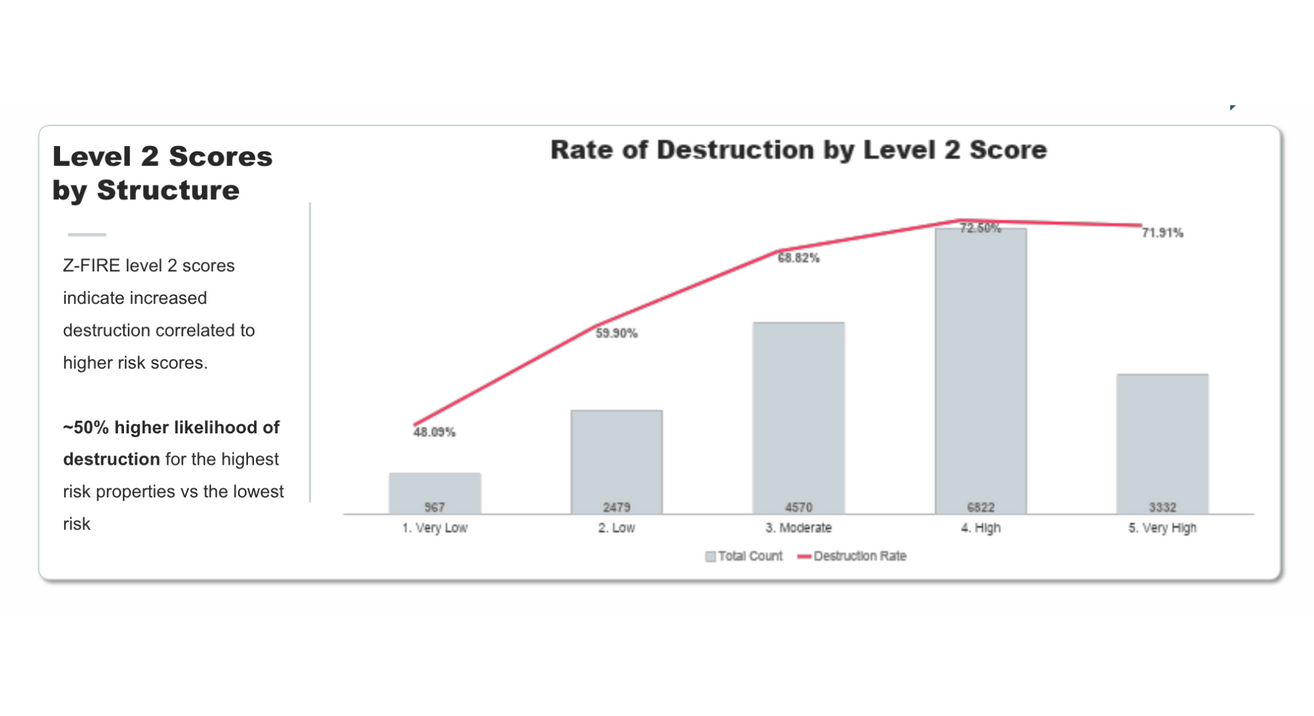
The model identified risk in this community not simply based on topography or vegetation, but because of its underlying urban structure, including building materials, spacing between homes, and neighborhood density. These are the very factors that drive vulnerability to conflagration.
Z-FIRE was designed to capture these dynamics, reinforcing its value as a forward-looking tool for rating, underwriting, and mitigation planning.
A Model Informed by What’s Happening on the Ground
Wildfire conditions are constantly changing, and Z-FIRE stays current by continuously incorporating the latest ground-truth data, including updated fire perimeters, confirmed loss locations, and vegetation conditions.
While the core model remains stable and fully approved for rating and underwriting, this steady stream of fresh data ensures that Z-FIRE reflects the most recent fire seasons and emerging risk patterns.
The 2023 and 2024 fire seasons reinforced what we’ve long understood: fire behavior is increasingly shaped by the built environment. Z-FIRE continues to perform as expected across a wide range of scenarios, including structure-to-structure ignition in densely built areas.
These results reaffirm the model’s ability to provide timely, reliable insights to support carrier decision-making in a rapidly evolving risk landscape.
Available Now, for Those Who Need It Most
For carriers looking to better understand and underwrite wildfire risk, whether in traditional WUI zones or increasingly vulnerable urban neighborhoods, Z-FIRE offers a tested, approved, and field-proven solution.
Built on over a decade of confirmed loss data and designed to capture the drivers of urban conflagration, Z-FIRE supports smarter decisions across pricing, underwriting, mitigation, and reinsurance.
Importantly, Z-FIRE is approved for underwriting and rating by Departments of Insurance (DOIs) across all western states, with Oklahoma recently added to the list. Carriers can deploy the model today with confidence, knowing it meets regulatory standards while delivering granular, property-specific insights to support risk selection, pricing, and mitigation strategies.
If you're looking to validate wildfire risk insights on your own book of business, we invite you to put Z-FIRE to the test. Our team can run a targeted evaluation to show how the model performs across your portfolio, highlighting risk segmentation opportunities and identifying properties most vulnerable to structure-to-structure spread.
Get in touch to schedule an evaluation and see how Z-FIRE can strengthen your wildfire strategy today.

ZestyAI launches AI agent to cut research time for competitive intelligence by 95%
ZORRO Discover™ automatically converts regulatory filings into actionable market intelligence — potentially saving insurers billions in costs
ZestyAI today announced the launch of ZORRO Discover™, a generative AI agent that delivers instant insights into regulatory filings and competitive market activity.
Solving a $2.5 Billion Regulatory Research Problem
Regulatory research remains one of the costliest inefficiencies in insurance, with an estimated $2.5 billion spent annually on manual reviews. The process consumes millions of hours across fragmented workflows, as filings often stretch into the thousands of pages, slowing competitive analysis and strategic decision-making.
To solve this, ZestyAI built ZORRO Discover on a proprietary generative AI pipeline, leveraging large language models optimized for insurance-specific content, including filings, objections, responses, and regulations from all 50 states.
Using agentic AI, the platform proactively navigates and synthesizes regulatory data, delivering a fast, intuitive experience tailored to the structure and language of insurance filings.
Accelerating Research by 95%
Early adopters of ZORRO Discover have found that insurers can cut research time by an average of 95%, saving thousands of work hours and millions in costs.
“For too long, regulatory filings have buried critical intelligence under layers of complexity,” said Kumar Dhuvur, Founder and Chief Product Officer of ZestyAI. “Through years of working closely with regulators, we’ve come to deeply understand these challenges.”
“ZORRO Discover puts that intelligence at insurers’ fingertips so they can act faster, stay compliant, and make smarter decisions in an increasingly competitive market.”
How Teams Use ZORRO Discover
ZORRO Discover can be used by compliance, actuarial, product, and strategy teams to accelerate competitive research and reduce regulatory risk. By replacing manual reviews with a consistent, repeatable process, the platform helps teams improve research accuracy, focus on high-impact work, and stay ahead of regulatory changes.
Key Capabilities
- Plain-language search: Analyze and compare filings across carriers, states, and time periods using intuitive queries—no deep regulatory or technical expertise required.
- Zero in on critical details instantly: Transform complex filings into executive-level insights for faster, more informed decision-making.
- Spot market opportunities early: Track shifts in rates, rules, forms, and guidelines to anticipate industry trends and act proactively.
- Run side-by-side comparisons: Evaluate pricing strategies, regulatory objections, or model usage over time and across competitors. Example: Compare windstorm mitigation discounts across three major carriers in Florida.
Expanding to Additional Lines of Business
ZORRO Discover launches with a focus on homeowners insurance and is rapidly expanding to support regulatory and competitive intelligence across auto, commercial, and additional lines of business.
Request early access to ZORRO Discover here.

Arizona Approves ZestyAI’s AI-Driven Storm Models Amid Escalating Storm Losses
Regulators greenlight property-level hail and wind insights to support risk-aligned underwriting and rating
The Arizona Department of Insurance and Financial Institutions has approved the use of ZestyAI’s Severe Convective Storm suite, including Z-HAIL™, Z-WIND™, and Z-STORM™, giving insurers access to property-level risk insights.
Rising Storm Losses Across Arizona
In Arizona, the most frequent and damaging thunderstorm losses stem from strong, straight-line winds, especially downbursts. These sudden, localized wind events can exceed 100 mph and often cause significant roof and structural damage, particularly in vulnerable homes.
In 2024 alone, Arizona experienced 67 days of severe storm events, according to NOAA. These included high winds, large hail, tornadoes, and damaging downbursts, highlighting the growing volatility of the state’s monsoon season and the increasing threat to both rural and urban communities.
How ZestyAI’s Models Improve Precision
ZestyAI’s models are designed to address these risks. By analyzing how local climatology interacts with individual property features, the platform predicts both the likelihood and severity of storm-related claims, offering a more accurate alternative to traditional ZIP code or territory-based approaches, which often miss critical risk signals.
Each model is trained and validated on extensive real-world claims data and provides clear, transparent explanations of the key factors driving each score, enabling more confident underwriting and rating decisions.
Key Model Capabilities
- Z-HAIL: Predicts hail damage risk and claim severity using property-specific attributes like roof complexity, historical losses, and accumulated damage, identifying which homes are most likely to file a claim, even within the same neighborhood.
- Z-WIND: Combines AI-generated 3D analysis of roof condition, complexity, and potential failure points with local climatology to deliver pivotal insights into property-specific wind claim vulnerability and severity.
- Z-STORM: Predicts the frequency and severity of storm damage claims, including hail and wind, examining the interaction between climatology and the unique characteristics of every structure and roof.
Regulatory Confidence in AI-Driven Models
Bryan Rehor, Director of Regulatory Affairs at ZestyAI said,
“Arizona is a key market for many of our carrier partners, and one of the most rigorous regulatory environments for model review. This approval is a strong signal of confidence in our technology and our commitment to transparency, precision, and regulatory alignment.”
Arizona marks the 19th state to approve ZestyAI’s Severe Convective Storm suite—and the fourth model approved in Arizona overall, joining Z-FIRE™, ZestyAI’s AI-powered wildfire risk model already in use across the state. With elevated risk across multiple perils, Arizona’s adoption of ZestyAI’s models reflects growing regulatory confidence in AI-driven models that enable smarter underwriting, precise pricing, and stronger resilience in the face of extreme weather.
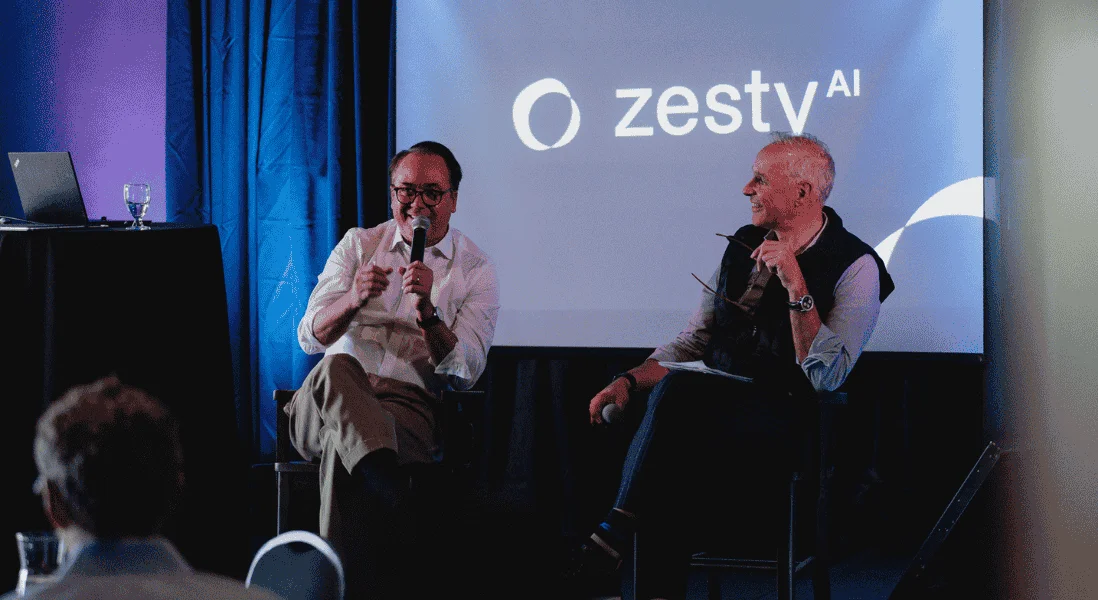
What We Learned from Scott Stephenson on Trust, Execution, and Leadership
At our 2025 offsite, we had the rare privilege of hosting Scott Stephenson, former Chairman, President, and CEO of Verisk, for a candid fireside chat with our CEO, Attila Toth.
More than a guest speaker, Scott has been a mentor to our founders and a steady source of insight and encouragement on our journey.
Over two decades, he led Verisk through extraordinary growth: doubling revenue, quadrupling market cap, and shaping one of the most respected analytics companies in the world. Named one of Forbes’ Most Admired CEOs, Scott helped define the modern insurance ecosystem.
But what stayed with our team long after the session wasn’t the accolades. It was his clarity, humility, and deep conviction that great companies aren’t defined by vision—they’re defined by execution.
Here are three takeaways that stuck with us:
Trust is a survival skill
Scott opened with the story of the 1949 Mann Gulch wildfire, where only 3 of 16 elite smokejumpers made it out alive. The team leader lit an escape fire and lay down inside it. He shouted for the others to follow, but no one did.
“They were a team on paper,” Scott said, “but they’d never trained together. They didn’t trust each other enough to act as one.”
The lesson? In high-stakes environments, technical talent means little without trust. Success depends on how quickly and cohesively a team can move together.
Thinking isn’t doing
Smart teams often confuse planning with progress. As Scott put it:
“Thinking about something, even deeply—and talking about it with others—feels like you’re doing the work. But you’re not.”
Insight without execution is just potential energy. The companies that thrive aren’t the ones with the most ideas; they’re the ones that ship, iterate, and improve with discipline.
Leadership is a mindset
Scott began his career as an engineer. Leadership wasn’t on his radar—until curiosity led him to explore it. His message: leadership isn’t a job title, and it’s not reserved for MBAs. It belongs to those who take responsibility, act with principle, and stay grounded in reality.
Why it mattered
Scott didn’t come to ZestyAI to celebrate the past. He came to challenge us. To remind us that in an industry facing rising losses, regulatory pressure, and rapid change, progress isn’t driven by buzzwords or strategy decks. It’s driven by clarity, trust, and the discipline to do the hard work.
That message hit home. As we scale ZestyAI, our ambition isn’t just to innovate; it’s to lead with purpose. To build the new standard for risk analytics. One that helps insurers price with precision, expand access to coverage, and strengthen the resilience of entire communities.

ZestyAI Secures $15M Credit Facility from CIBC Innovation Banking
Facility reinforces ZestyAI’s financial strength and supports the expansion of its AI-driven risk analytics platform
ZestyAI, the leading provider of AI-driven risk analytics for the property and casualty insurance industry, today announced it has secured a $15 million credit facility from CIBC Innovation Banking.
The facility enhances ZestyAI’s financial flexibility and reinforces its strong balance sheet as the company scales adoption of its climate and property risk models, delivering over 31 million property risk assessments in 2024, more than double the volume from 2023, and on pace to exceed 50 million in 2025.
“We’ve built ZestyAI with long-term discipline and a clear mission: to help insurers navigate changing risks with confidence,” said Attila Toth, Founder and CEO of ZestyAI.
“As demand for trusted, property-level risk insights continues to grow, this capital infusion enables ZestyAI to further invest in supporting this rapid growth and become the industry standard for property risk analytics."
Strengthening ZestyAI’s Position for Rapid Growth
Capital that supports scale, product expansion, and customer demand
“ZestyAI is addressing a critical need in the insurance industry with its AI-powered approach to property and climate risk,” said Sean Thompson, Managing Director, California Market Manager at CIBC Innovation Banking.
“We’re proud to support ZestyAI’s next phase of growth as it continues expanding its platform and deepening its impact across the insurance ecosystem.”
ZestyAI’s footprint has expanded rapidly across the insurance landscape, with growing adoption among admitted carriers, MGAs, the E&S market, FAIR Plans, and public-private partnerships. Over the past year, the company secured 33 new and expanded customer partnerships, including 26 brand-new clients, and launched four new products.
Accelerating Regulatory Momentum Nationwide
This growth has been matched by accelerating regulatory traction. ZestyAI’s AI-driven models for wildfire, severe convective storms, and non-weather water damage have now been approved in over 50 regulatory filings nationwide, with recent approvals in Texas, Colorado, Ohio, Georgia, Connecticut, Michigan, North Carolina, Louisiana, and Oklahoma.
Recently reviewed by the California Department of Insurance (CDI) in the rate application process, Z-FIRE™, ZestyAI’s wildfire model, can continue to be filed for rate segmentation and underwriting without further review under the Pre-Application Required Information Determination (PRID) process, effective January 2, 2025.
Fueling a Mission to Expand Access to Coverage
Built at the intersection of property data, climate science, and AI, ZestyAI’s platform delivers precise, parcel-level risk insights that help insurers strengthen underwriting, price accurately, optimize inspections, and expand coverage, especially in catastrophe-prone regions. In 2024, ZestyAI helped carriers and insurers of last resort extend coverage to over 511,000 properties previously deemed uninsurable, advancing its mission to protect the livelihoods of homeowners, business owners, and their communities.
See How Insights Turn Into Decisions
ZestyAI transforms data into action. Get a demo to see how the same AI powering our reports helps carriers make faster, smarter, regulator-ready decisions.