
Z-SPARKTM
Pinpoint the Properties Most Likely to Ignite
Z-SPARK™ predicts non-weather fire risk by applying modern fire science to property-level intelligence to identify properties at higher risk of ignition, rapid fire spread, and loss.
.webp)
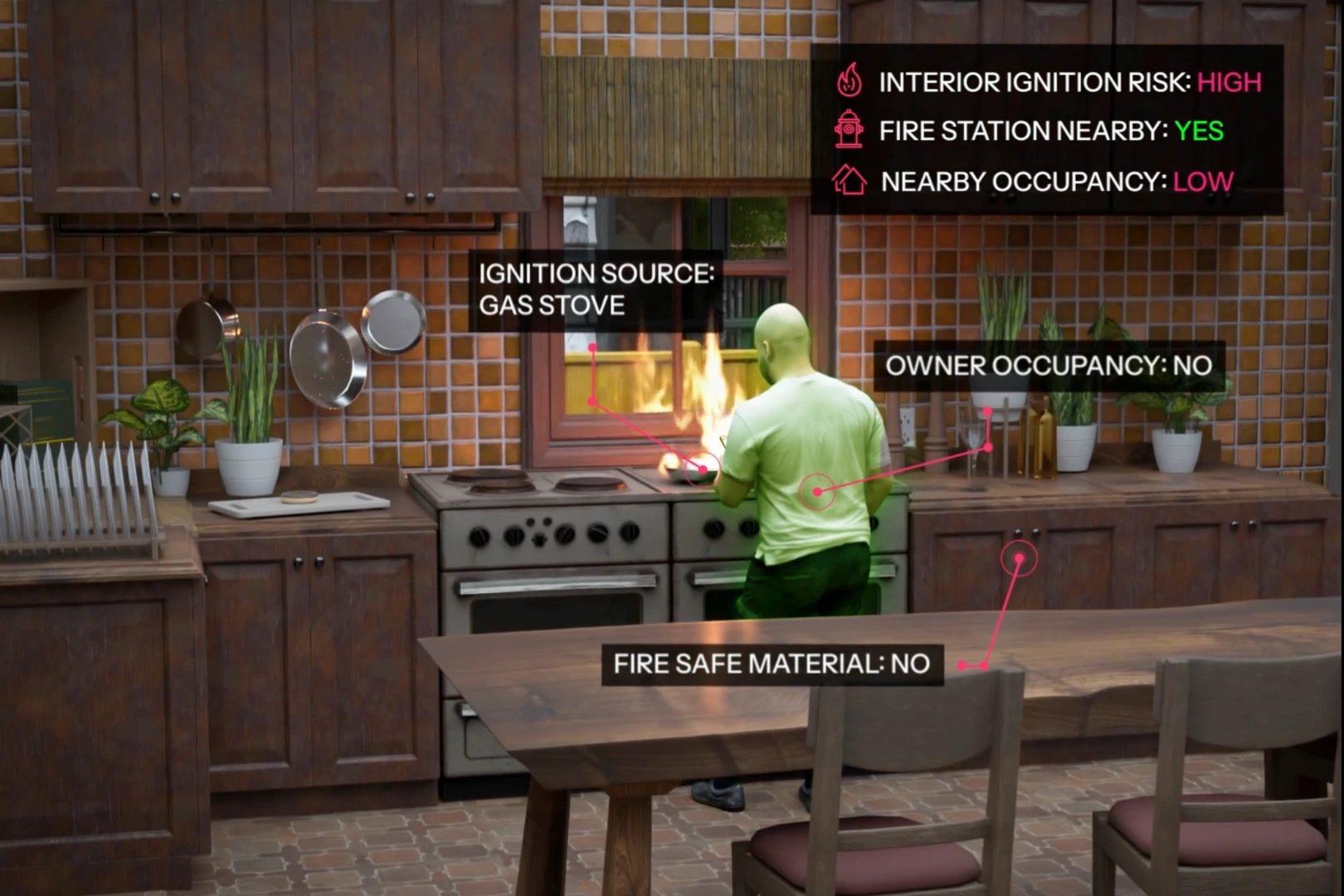

Model the Fire Risk That Actually Drives Loss
Z-SPARK™ analyzes how site and environmental conditions interact at every address, moving beyond broad community classifications and emergency response proxies to reveal hidden hazards.


Property-Level Precision
Captures how structural and site-specific conditions interact at each property to drive ignition and fire-spread risk.
.svg)
30X Risk Differentiation
Separates high-risk from low-risk properties by 30x in fire claim frequency for sharper segmentation.

Verified Fire Data
Built and validated on millions of fire incidents and verified carrier claims.

Transparent Risk Drivers
Reveals the factors behind every score, giving underwriters clear justification for decisions and appeals.

Modern Fire Science
Grounded in latest fire science and structure-ignition research to pinpoint non-weather fire risk at the property level.

Nationwide Coverage
Provides continuously updated property-level risk scores across 100% of the contiguous U.S.
Claim Frequency Score: Likelihood of Fire Ignition
Z-SPARK™ predicts the likelihood of a non-weather fire risk at the address level by analyzing property-specific variables, including maintenance, material vulnerability, structure-to-structure proximity, and local fire response capabilities.
At a granularity unmatched by conventional models, these insights allow carriers to prioritize inspections, tailor coverage, or adjust risk mitigation precisely for each address.

Claim Severity Score: Magnitude of Fire Loss
Z-SPARK™ predicts loss severity by modeling the conditions that drive rapid fire spread and structural damage, moving beyond emergency-response metrics. Since modern structure fires can reach flashover in as little as 3 to 5 minutes, response time alone does not fully explain the magnitude of loss.
Carriers can use this insight to optimize pricing, set coverage and deductible limits, and manage portfolio loss costs.
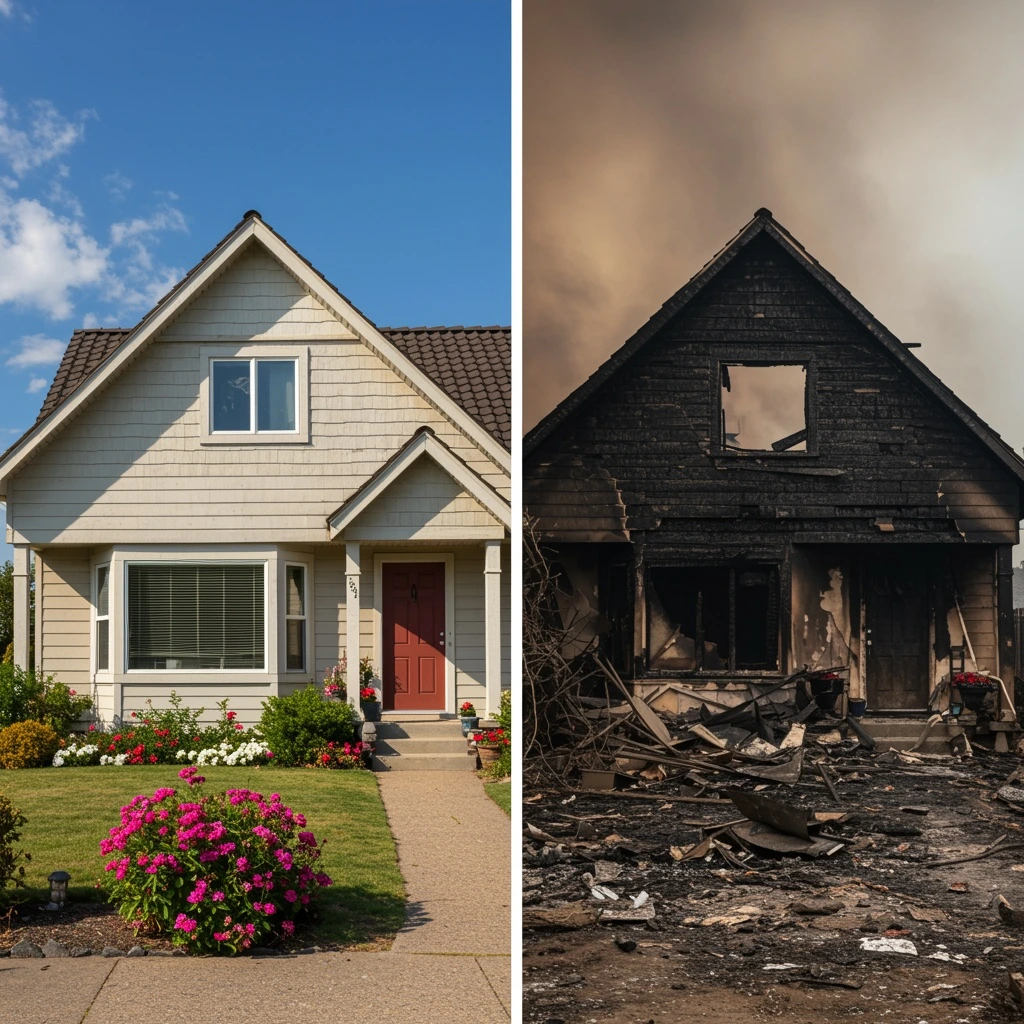
Strengthen Underwriting and Rating Workflows
Price Risk with Precision
Traditional models rely on broad territorial averages that treat neighboring homes as identical. Z-SPARK™ evaluates risk at the individual property level, allowing insurers to differentiate risk within the same neighborhood and align premiums with true fire exposure.
Fast-Track Low-Risk Properties
Identify low-risk properties at quote time to reduce manual review and support straight-through processing. Reserve underwriting attention for higher-risk structures where inspections, coverage adjustments, or homeowner engagement are warranted.
Protect the Portfolio
High-risk properties don't announce themselves; they quietly enter the book. Z-SPARK™ surfaces hidden fire hazards early, so carriers can avoid adverse selection and manage portfolio loss costs before they compound.
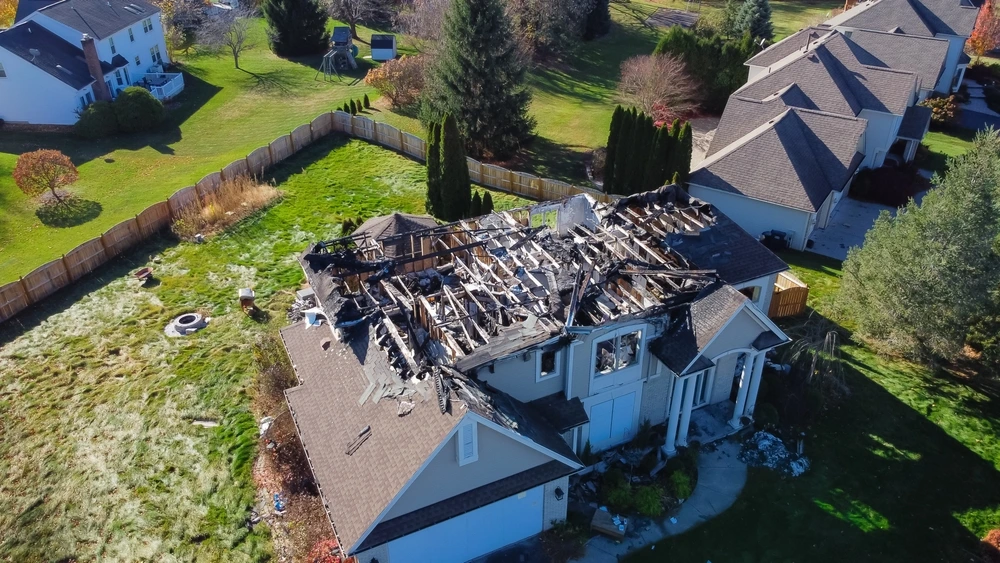
How Z-SPARK™ Works
Z-SPARK™ analyzes how key structural, site, and environmental factors interact to explain why two homes on the same street can have very different fire risk profiles.

Diverse, High-Quality Inputs
Aerial Imagery
Identifies property features that drive non-weather fire risk, such as roof-material vulnerability or hazardous proximity between structures.
Property Characteristics
Analyzes building materials, site maintenance, occupancy and additional factors to determine flammability and vulnerability.
Climate Data
Accounts for local climate conditions that influence structural combustibility and susceptibility to ignition.
Location Characteristics
Examines the surrounding environmental and infrastructure conditions that affect property-level fire exposure.
Verified Claims Data
Incorporates verified claims from carriers across the country.
Fire Suppression Capacity
Incorporates fire station proximity, road access, and community suppression resources.
.webp)
Turning Raw Data Into Insight
Computer Vision Analysis
Detects key physical attributes from aerial imagery.
Environmental Stress Indicators
Evaluates surrounding conditions such as building density, vacancy rates, and power grid reliability that influence fire risk.
Climatology
Models how local climate patterns affect material degradation and structural combustibility.
Emergency Response Infrastructure
Accounts for fire station proximity, road access, and community suppression resources.
.webp)
Purpose-Built for Non-Weather Fire
Built on Verified Claims
Trained and validated on claims from carriers across the country.
Gradient Boosted Machines
Models complex interactions between property features, climate conditions, and fire suppression infrastructure.
Dual-Model Architecture
Estimates claim frequency and severity, revealing the likelihood and potential magnitude of loss.
Transparent Risk Drivers
Exposes key factors influencing each property’s score, supporting underwriting review and regulatory transparency.
Mitigation-Aware Scoring
Accounts for mitigation actions taken by homeowners, enables underwriting overrides, and allows carriers to simulate how mitigation improvements may affect a property’s risk score.
Proven Predictive Power & Financial ROI
Z-SPARK™ delivers 30X improvement in risk differentiation over traditional territory-based models by revealing meaningful differences in non-weather fire risk at the property level.
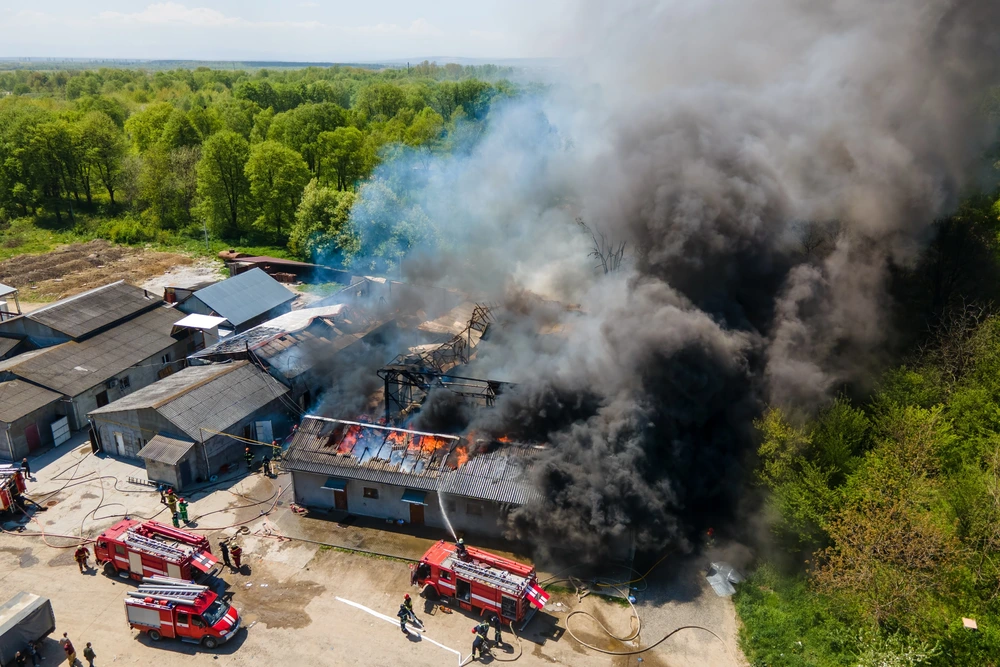
Seamless Workflow Integration
Z-SPARK™ integrates into existing underwriting and rating workflows. It operates as a standalone scoring model or augments community-level frameworks with property-level intelligence.
.webp)
Zero IT, Full Transparency
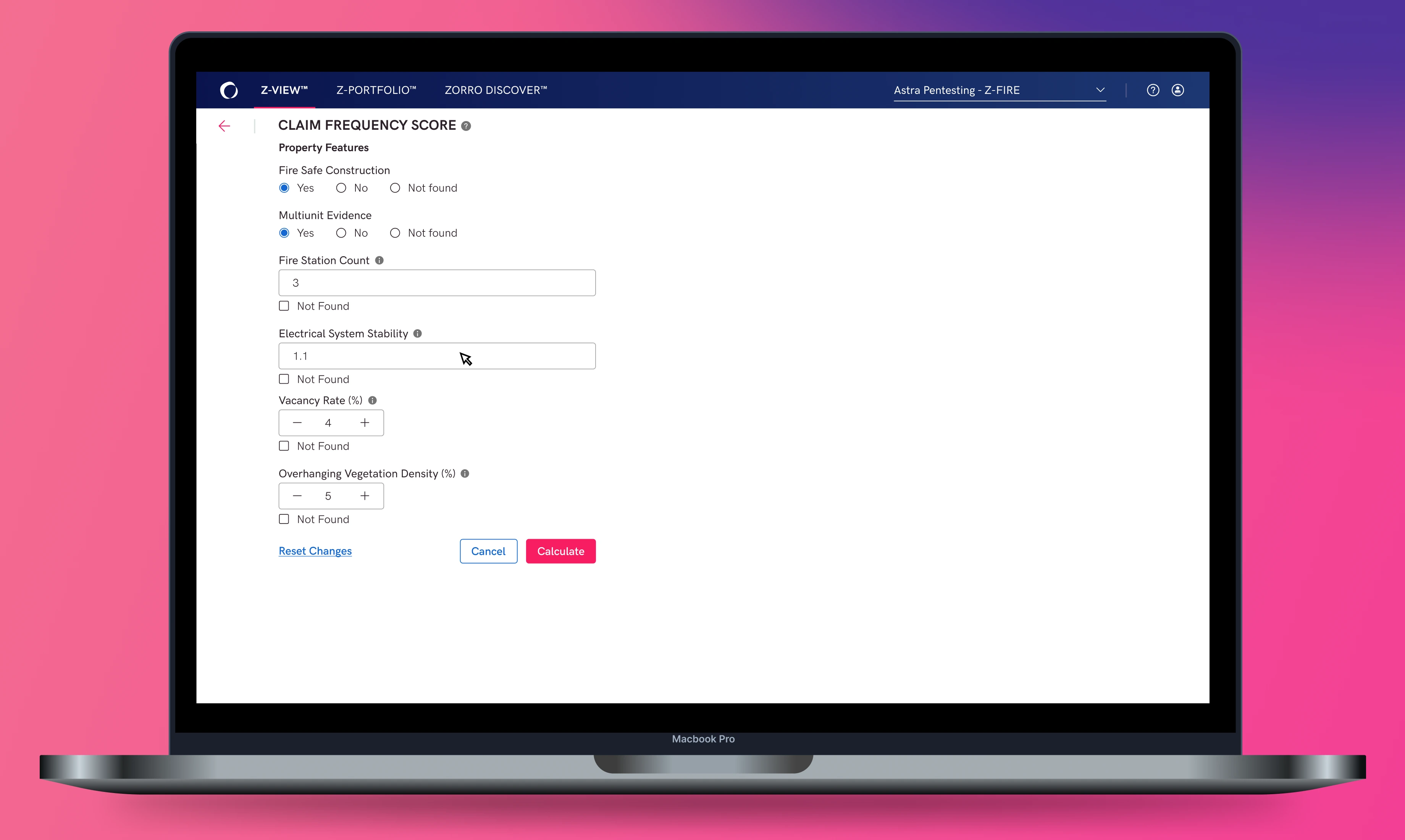
Z-VIEWTM is a web-based application that delivers instant access to Z-SPARK™ risk scores, top risk drivers, aerial imagery, and mitigation simulation tools for any address.
No IT integration required. Ideal for underwriters, actuaries, and field teams alike, Z-VIEW puts Z-SPARK™ insights at your fingertips from day one.
For system-wide deployment, ZestyAI offers batch processing through Z-PORTFOLIOTM and API integration across underwriting, renewal, and reinsurance workflows.
See the Hidden Fire Risk Your Model Misses
Z-SPARK™ reveals the non-weather fire risk at the property level, helping you segment risk, price accurately, prioritize inspections, and manage loss costs. Book a demo today.
Proven Results
The product described on this website may be covered by one or more U.S. patents. For additional information, visit zesty.ai/patents.