
Reports & Research
Explore proprietary research packed with data, insights, and real-world findings to help carriers make smarter decisions.

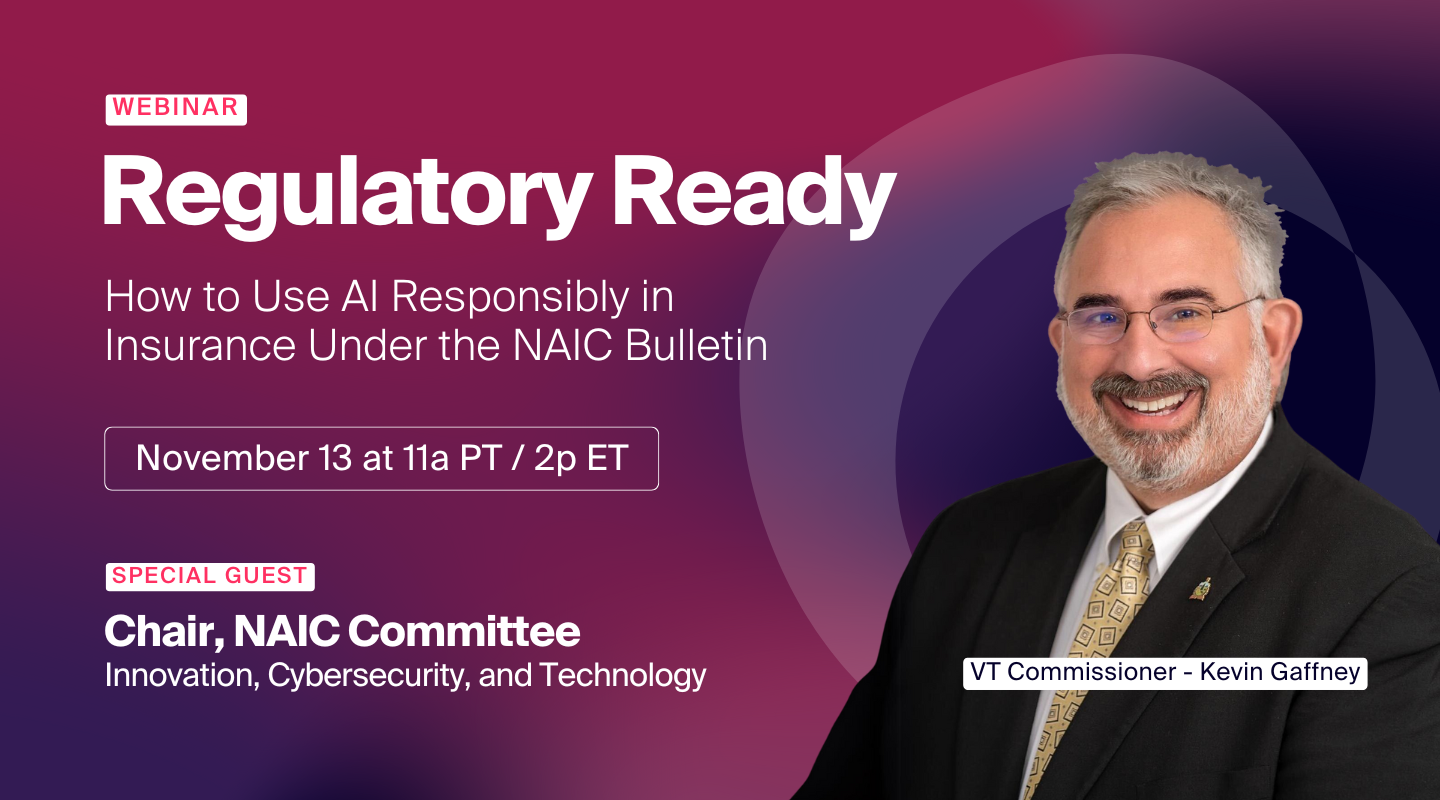
Webinar: Regulatory Ready - How to Use AI Responsibly in Insurance
Gain a deeper understanding of the NAIC bulletin's principle-based approach to AI regulation and what it means for carriers.
Regulatory Ready: How to Use AI Responsibly in Insurance Under the NAIC Bulletin
AI innovation is revolutionizing the insurance industry, but with these advancements come new regulatory challenges. To ensure responsible use of AI in insurance, it’s essential to stay informed about the latest regulatory frameworks.
Join us on November 13 at 11 PT / 2 ET for an exclusive webinar where we’ll break down how to navigate AI regulations under the NAIC Model Bulletin.
In this session, led by
- Kevin Gaffney, Vermont’s Commissioner of Financial Regulation and Chair of the NAIC’s Innovation & Tech Committee
- Bryan Rehor, Director of Regulatory Strategy at ZestyAI
you'll gain critical insights on how to align AI usage with evolving regulatory expectations.
What You’ll Learn
This webinar will provide practical takeaways that can help insurance professionals understand and comply with the latest AI standards:
- NAIC Model Bulletin Overview: Understand the core principles behind the NAIC’s AI regulation framework.
- Ensuring AI Compliance: Learn how to ensure responsible AI usage according to NAIC standards.
- Preparing for Regulatory Oversight: Get ready for closer state-level inspections and regulatory scrutiny.
- Vendor & Partner Compliance: Ensure that your partners meet regulatory requirements for transparency and fairness.
- Interactive Q&A: Take advantage of the opportunity to ask our experts about the complex world of AI and insurance compliance.
Meet the Experts
Kevin Gaffney
Vermont Commissioner of Financial Regulation
As an expert in AI regulations and the NAIC’s Model Bulletin, Commissioner Gaffney will provide key insights into how insurance companies can effectively implement responsible AI practices. His experience in overseeing state-level financial regulation will offer attendees a unique perspective on aligning AI innovation with compliance.
Bryan Rehor
Director of Regulatory Strategy at ZestyAI
Bryan Rehor will offer practical advice on maintaining AI compliance while harnessing the full potential of AI innovation. His expertise lies in guiding insurers through regulatory demands, ensuring that AI practices meet industry standards while avoiding common pitfalls.
Why You Should Attend
This webinar is tailored for professionals in insurance, particularly those in Executive, Legal, Compliance, Product Management, Underwriting, Actuarial, Risk, and Innovation roles.
Whether you’re navigating the complexities of AI regulation or preparing for the next steps in compliance, this session will provide actionable insights to help you move forward confidently.
Bonus Content
By registering for the webinar, you’ll receive our interactive guide:
“When Innovation & Regulation Meet: What Insurers Need to Know About AI and Regulatory Compliance.”
This resource will deepen your understanding of how to stay compliant while leveraging the power of AI in your insurance operations.
Don’t miss out!
Register for the webinar and ensure your spot in this exclusive event.
.png)
The State of the Industry: AI Adoption in Climate Risk Management
A survey of insurance professionals highlights AI models gaining traction, key insurer priorities, and the impact of transparency and regulatory concerns.
Facing Unprecedented Climate Challenges
The insurance industry is facing unprecedented challenges as natural catastrophic events like convective storms and wildfires become more frequent and severe. Traditional risk models, which often rely on broad territory-based segmentation, are struggling to keep up with these dynamic environmental threats. This has led to significant financial losses for insurers, who are now seeking more accurate and proactive methods to predict and manage climate risk.
AI Adoption in Property and Casualty Insurance
To shed light on the adoption of these cutting-edge techniques, ZestyAI conducted a survey of over 200 executives in the Property and Casualty (P&C) insurance sector. The survey reveals which AI-based models are gaining traction, what features insurers prioritize, and how transparency and regulatory concerns are shaping the industry. It also highlights the specific risks that are top of mind for carriers today.
AI Transforming Risk Assessment Models
The industry is turning to AI-based risk assessment models that offer a new level of precision. Companies like ZestyAI are leading the charge, providing tools that enable insurers to assess risk on a property-by-property basis, considering both individual property features and their interaction with surrounding environmental factors. These advanced models are transforming the way insurers underwrite policies, optimize portfolios, and align coverage with actual needs.
Dive deeper into our findings and explore the full report by clicking below.
Access the Report
Case Study: Adapting to Escalating Severe Convective Storm Risk
Insights from a 5-year retrospective on ZestyAI’s models in action
The Rising Threat of Severe Convective Storms
The past few decades have seen a dramatic rise in the frequency and intensity of severe convective storms, resulting in significant financial repercussions for the insurance industry. In the last year alone, insured losses from severe convective storms reached an astounding $60 billion, marking an average annual growth rate of over 11% over the past twenty years. This alarming trend means a new approach is needed to manage and mitigate the escalating risks associated with severe weather events.
In the last year alone, insured losses from severe convective storms reached an astounding $60B, marking an average annual growth rate of over 11% over the past twenty years.
The traditional methods of risk assessment and management are no longer sufficient to cope with the increasing unpredictability and severity of these weather events. As the risk evolves, so must the solutions. Changing risks call for innovative solutions that leverage advanced technology and data analytics to enhance the accuracy and effectiveness of risk modeling.
A New Approach
ZestyAI’s Z-HAIL and Z-WIND models are specifically designed to address the challenges posed by severe convective storms. In a new retroactive case study, we explore the performance of these models on a carrier’s book of business over the prior five years, highlighting their effectiveness in delivering comprehensive coverage and precise risk segmentation.
Key findings from the case study include:
Comprehensive Coverage with High Accuracy
One of the standout results from the case study is the exceptional hit rate of 99.7% achieved by Z-HAIL and Z-WIND. This shows the models were able to accurately identify and assess the risk of severe convective storms for nearly all the properties in the carrier's portfolio.

Strong Risk Segmentation
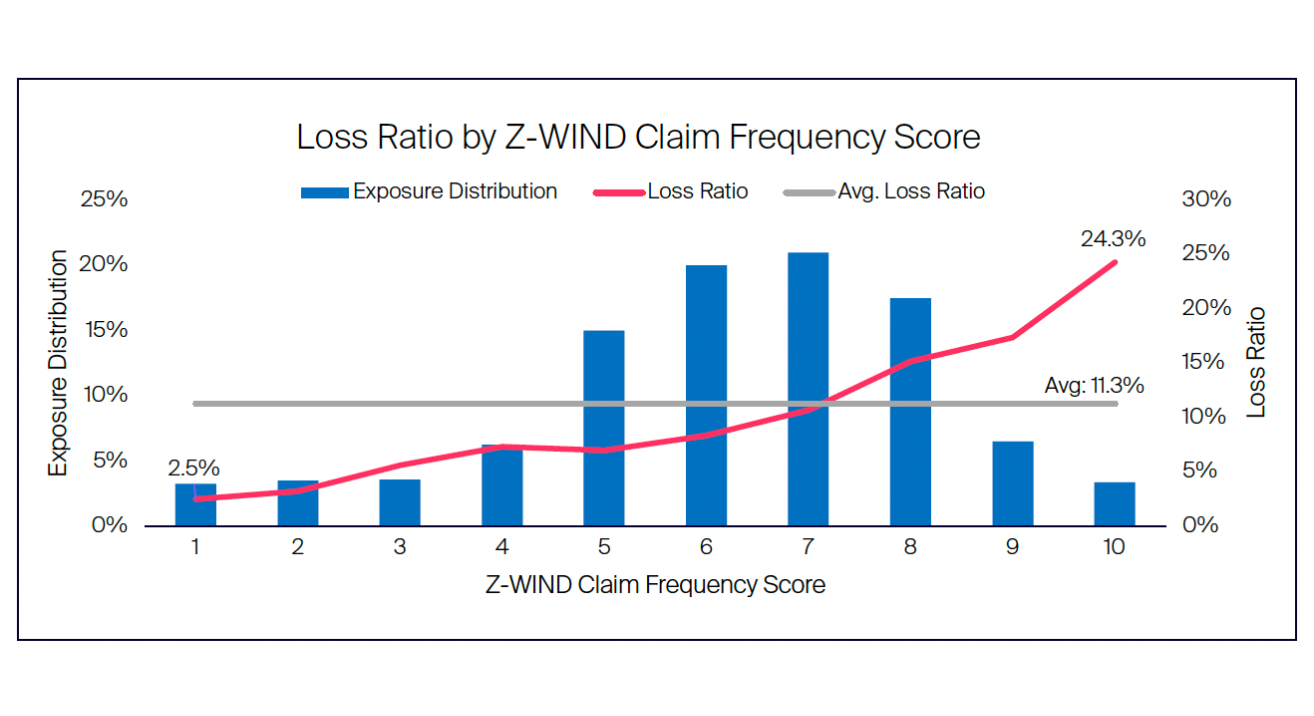
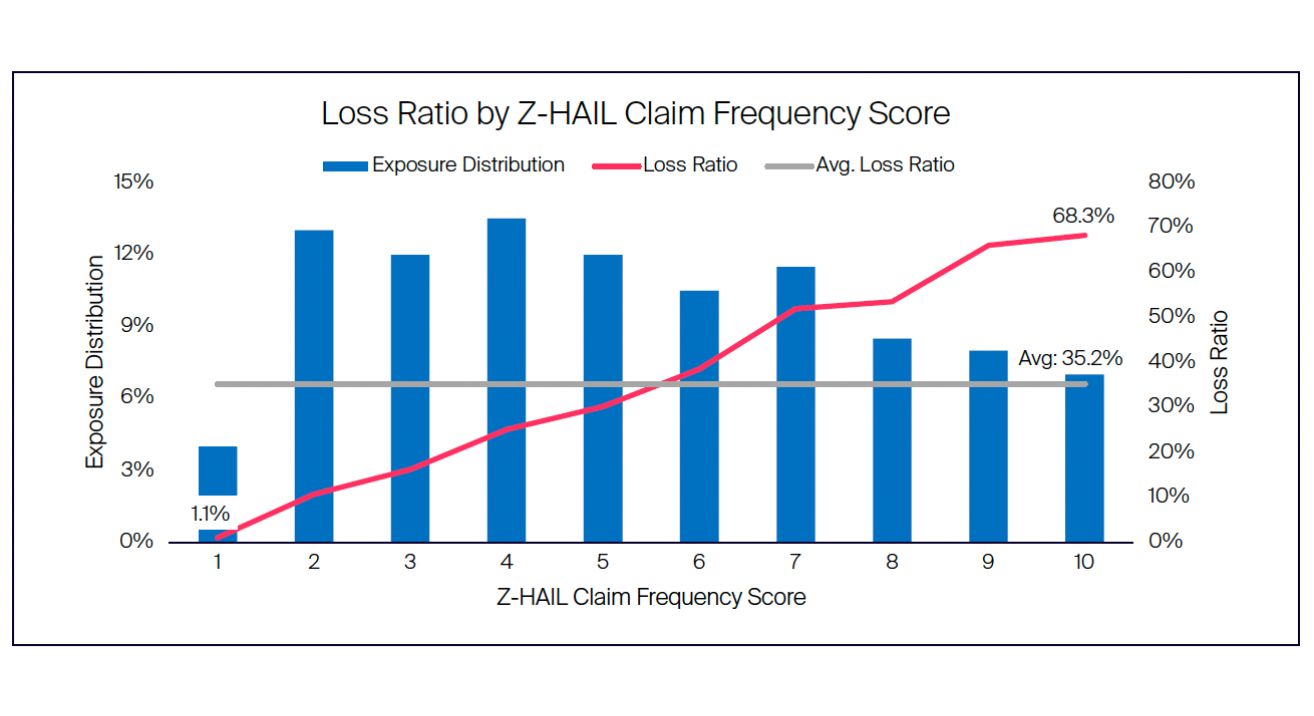
The models demonstrated remarkable capability in risk segmentation, with Z-HAIL generating a lift of 62X and Z-WIND achieving a lift of 9.7X. This means that the models were able to effectively differentiate between high-risk and low-risk properties, even within small geographic areas such as a single zip code. Accurate risk segmentation allows insurers to tailor their policies and pricing strategies more precisely, leading to better management of their risk exposure.
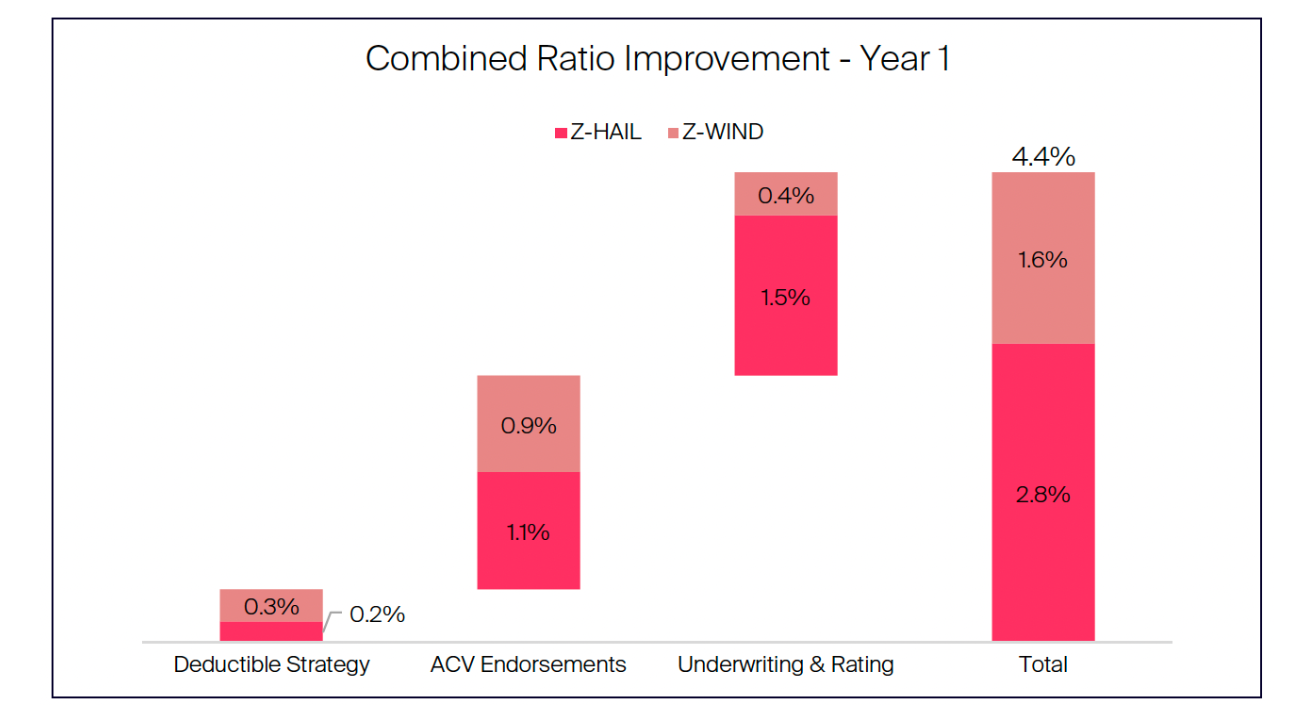
Improved Combined Ratio
Implementing Z-HAIL and Z-WIND would significantly enhance a carrier’s combined ratio, calculated to be approximately 4 points in the first year. This improvement can be attributed to the models’ ability to optimize underwriting, rating, and the application of deductibles and Actual Cash Value (ACV) endorsement strategies. By accurately assessing the risk and applying appropriate measures, insurers can reduce their loss ratios and improve overall profitability.
The Need for Innovative Solutions
As severe convective storms continue to pose significant challenges to the insurance industry, adopting innovative solutions like ZestyAI’s severe convective storm models can help insurers better manage this escalating risk.
These models provide comprehensive coverage, accurate risk segmentation, and improved financial performance. By embracing advanced technology and data-driven analytics, insurers can navigate the complexities of severe weather events and safeguard their portfolios against future losses.
To learn more about the detailed findings and benefits
Download the full case study.

Now Streaming: Roof Risk Master Class
Effective strategies for better risk management
Are rising storm costs and inaccurate roof assessments impacting your bottom line?
Now available to stream, The Science of Roof Risk master class will equip you with the latest strategies and techniques to master roof risk assessment.
- Enhance your roof risk assessment by 60X
- Improve your combined ratio
- Reduce storm-related roof claims
- Strengthen new business selection
What we cover:
Your presenters, Ross Martin (VP, Risk Analytics) and Sam Fetchero (Head of Marketing) will share with you:
- The Problem of the Roof: Uncover the underlying factors driving rising storm losses and why traditional risk assessment methods fall short.
- The Science Behind Predicting Losses: Explore key factors impacting roof risk and loss prediction, including roof age, condition, complexity, and peril-specific models.
- Accuracy-focused Risk Models: Discover advanced modeling techniques that enhance predictive accuracy.
- Understanding Storm Climatology: Learn how storm climatology impacts roof risk and how to integrate these insights into your risk assessment strategies.
- Real-World Results: Witness a comparative analysis of these predictive factors using actual carrier data. Understand the strengths and weaknesses of each approach.
- Priorities of Leading P&C Insurers:
See what your peers asked with valuable insights to take back to your team.
Who Should Watch?
This video is ideal for Executives, Product Managers, Actuaries, Underwriters, and CAT Modelers committed to enhancing their roof risk assessment capabilities.
Bonus Guide
As a bonus for watching, you'll receive a downloadable study on the latest roof risk assessment strategies: Preparing for the Storm: The Insurers Guide to Roof Risk.
Access Now
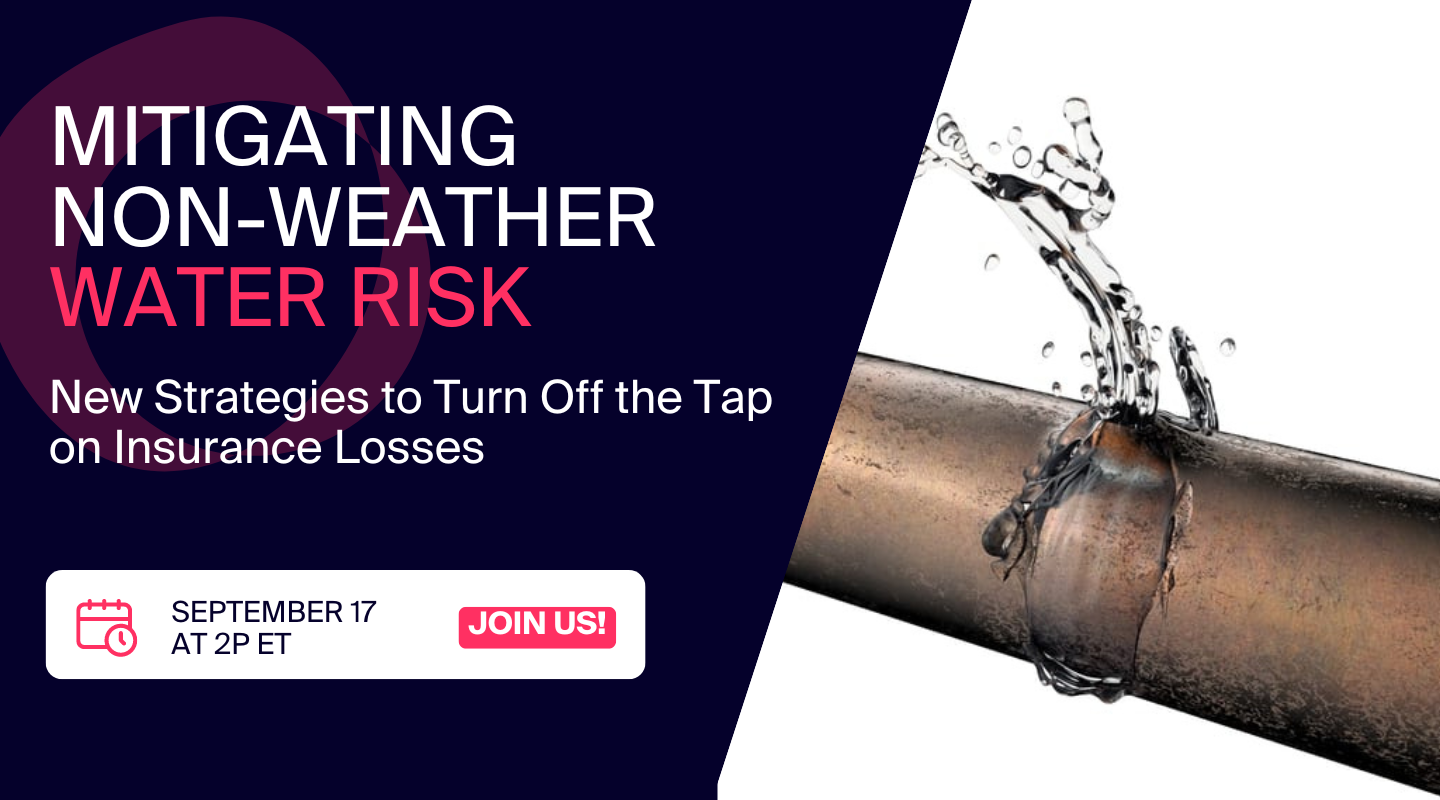
Exclusive Webinar: Mitigating Non-Weather Water Risk
New strategies to turn off the tap on insurance losses
From Costly Water Losses to Millions in Savings
Non-weather water claims are a leading cause of property insurance losses, costing insurers over $20 billion annually.
Join us for a FREE live webinar where our experts will discuss the latest trends, challenges, and insights to help you mitigate non-weather water risk.
What We'll Cover
Our experts Rob Silva, ACAS (Director of Customer Success) & Sam Fetchero (Head of Marketing) will present:
- Current Trends: Understand the rise in severity and total loss costs of non-weather water claims.
- Risk Assessment Challenges: Learn why traditional methods fall short in assessing non-weather water vulnerability.
- Key Risk Factors: Identify the main drivers of non-weather water damage.
- Strategic Insights: Discover strategies to improve your management of non-weather water claims.
- Z-WATER in Action: Experience our new AI-powered model that predicts non-weather water risk with unparalleled accuracy.
- Interactive Q&A: Get your questions answered by our experts.
Who Should Attend
This webinar is ideal for Executives, Product Managers, Actuaries, Underwriters, and CAT Modelers committed to enhancing their understanding and management of non-weather water risks.
Bonus Content
As a bonus, you'll receive our exclusive infographic, "Below the Surface: Research Reveals Knowledge Gap in Homeowner Water Loss Prevention and Coverage."
This research gives key insights into water loss experiences, coverage details, homeowner protection measures, and information on water shutoff devices and heater conditions.
Register Now
Now Available: The Insurers Guide to Roof Risk
Learn how leading insurers are mastering roof risk and maximizing lift
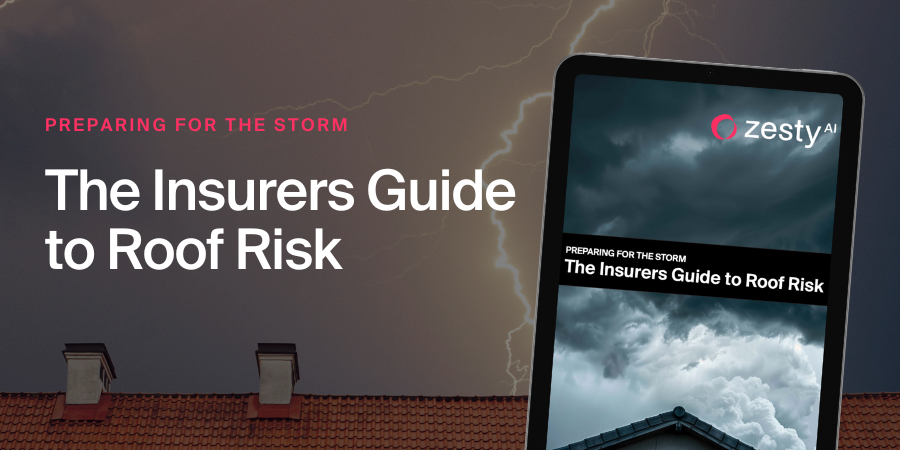
It’s hard to overstate how important the roof is from an insurability standpoint. The roof represents significant risks and potential opportunities, making it a critical focus area for insurers. This has become even more important in recent years as the impact of severe convective storms is often reflected in roof losses. Understanding this, ZestyAI has released new research for property insurers called The Insurers Guide to Roof Risk.
Download The Insurers Guide to Roof Risk
In an era where the severity and frequency of roof-related claims are on the rise, particularly due to the increasing impact of severe convective storms, innovative tools and strategies are essential. The Insurers Guide to Roof Risk provides actionable insights to improve risk assessment, underwriting processes, and overall business strategy.
What’s Inside the Guide?
The Insurers Guide to Roof Risk includes:
- Roof Failure Factors: Learn the underlying contributing factors behind why older roofs fail more often.
- Beyond Roof Age: Discover why roof complexity, condition, and climate are more important than roof age alone.
- Identifying Missing Risk Factors: Understand the key factors to roof risk that most traditional models miss.
- Advanced Risk Segmentation: See how using machine learning and new data sources can split risk more than 60 times better than traditional models.
- Portfolio Optimization: Access a comprehensive toolbox to optimize your portfolio and new business selection to generate exponential lift versus traditional models.
See How Insights Turn Into Decisions
ZestyAI transforms data into action. Get a demo to see how the same AI powering our reports helps carriers make faster, smarter, regulator-ready decisions.